Image by Stijn BollaertImage by Stijn BollaertImage by Jasper van het GroenewoudImage by Iwan Baan Image by Iwan BaanImage by Iwan BaanImage by Iwan BaanImage by Stijn BollaertImage by Iwan Baan
PROJECT DATA
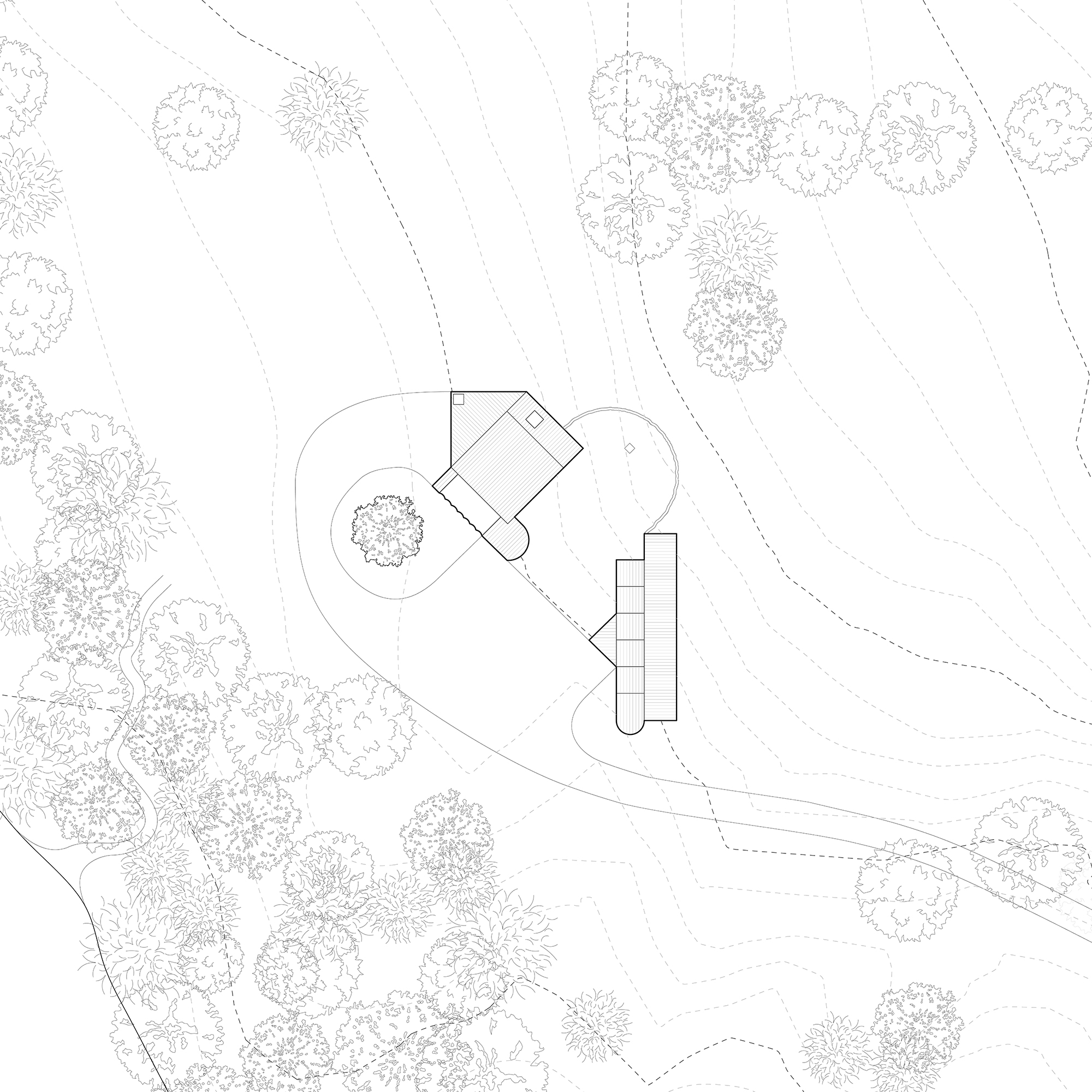
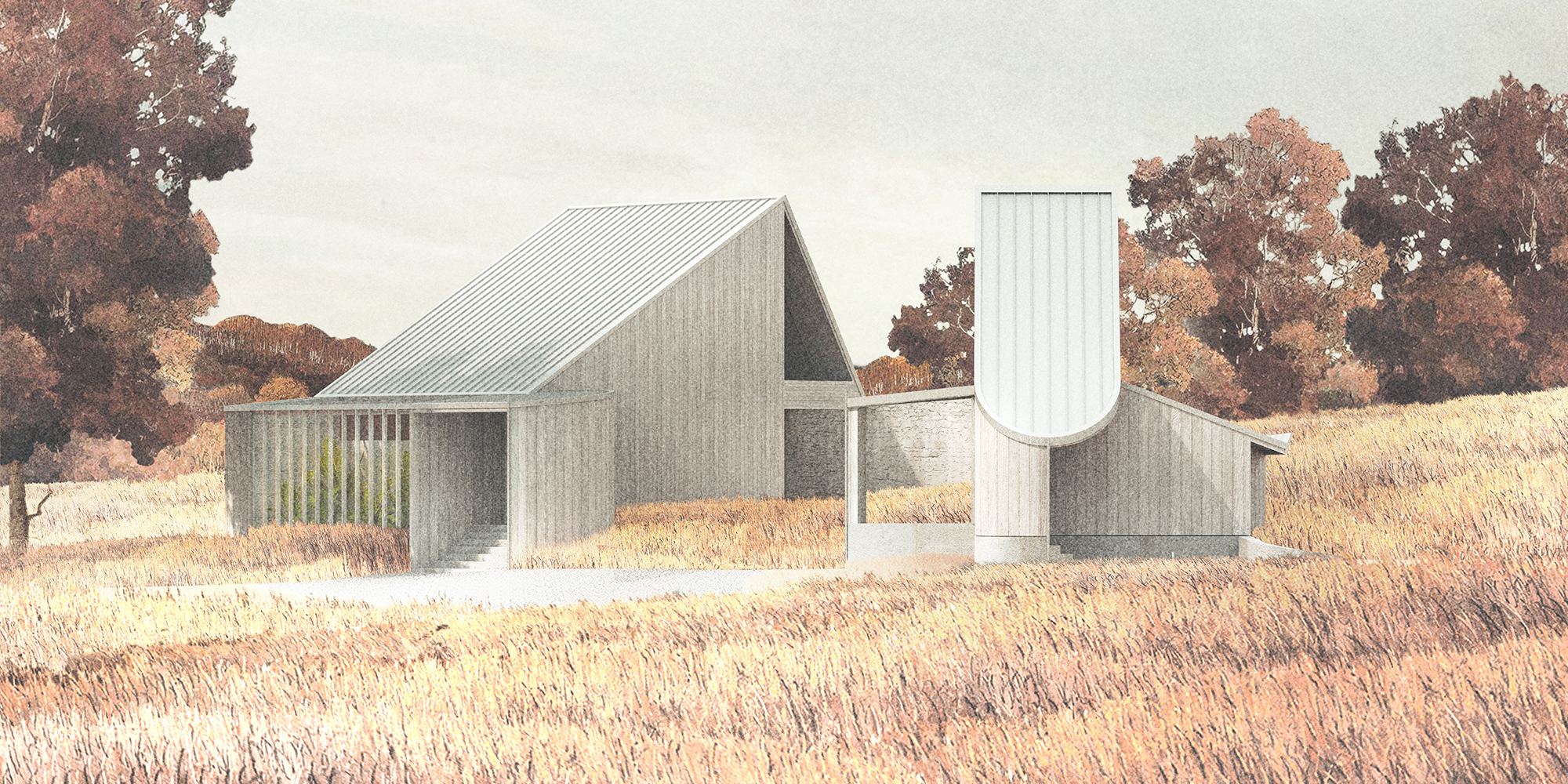
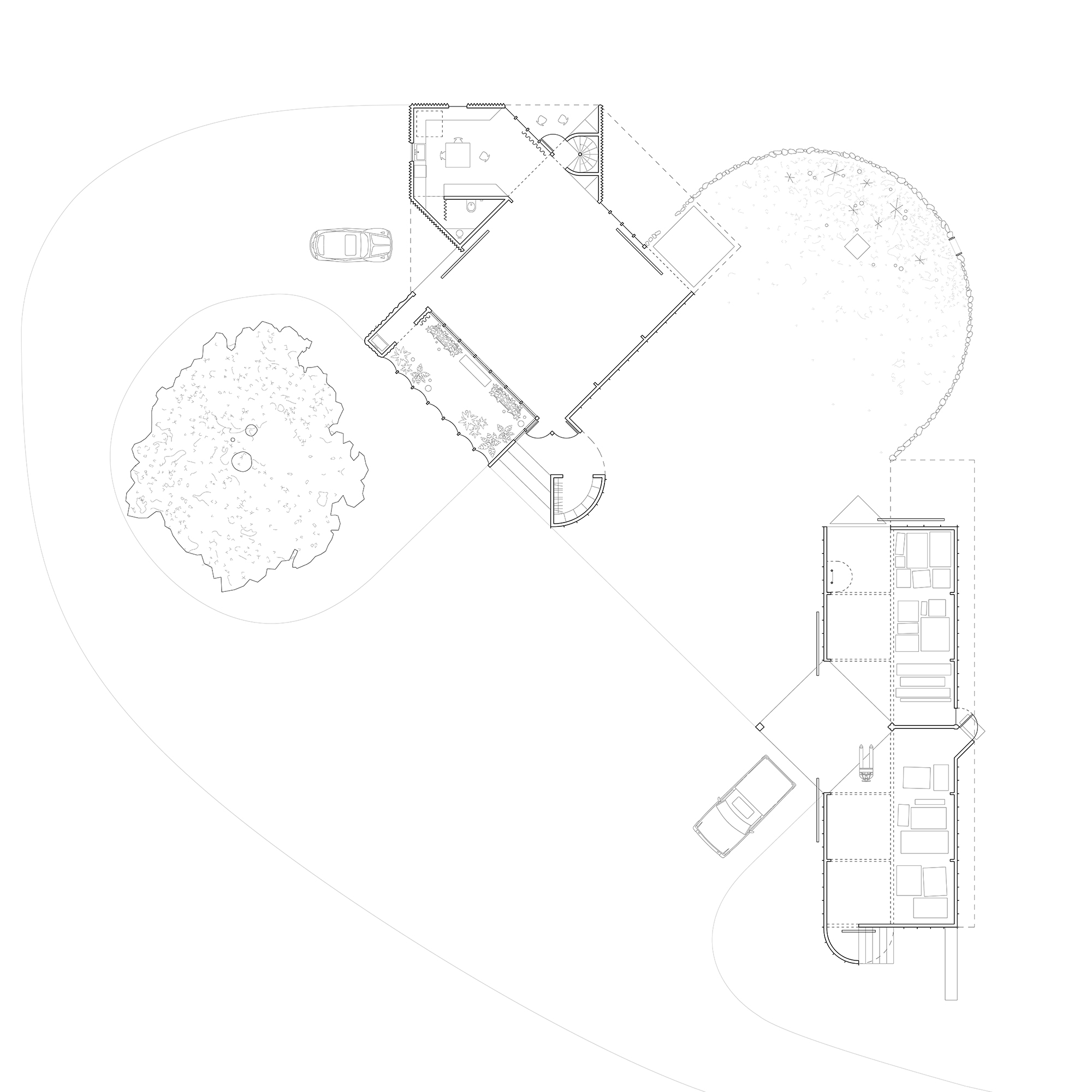
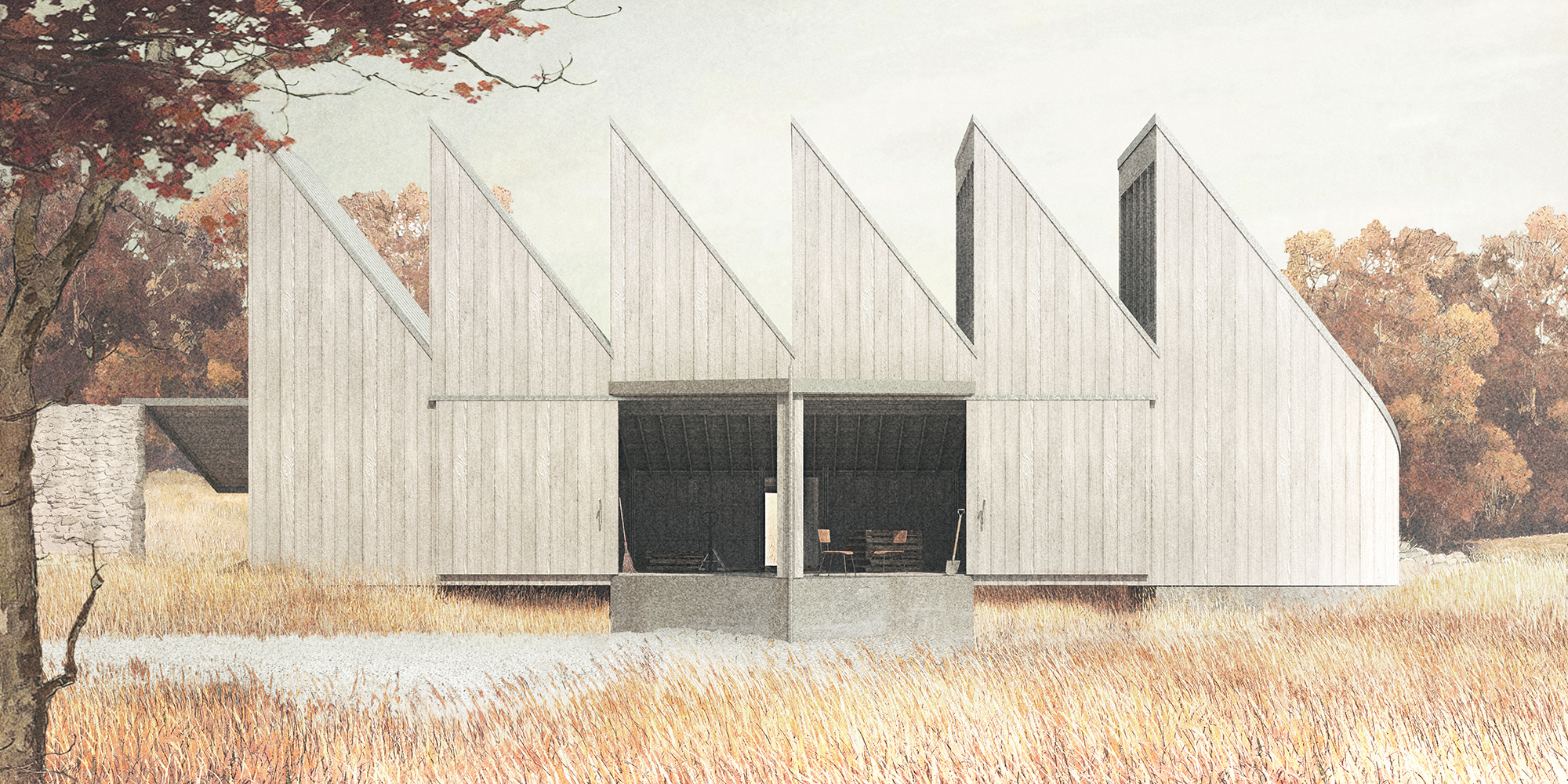
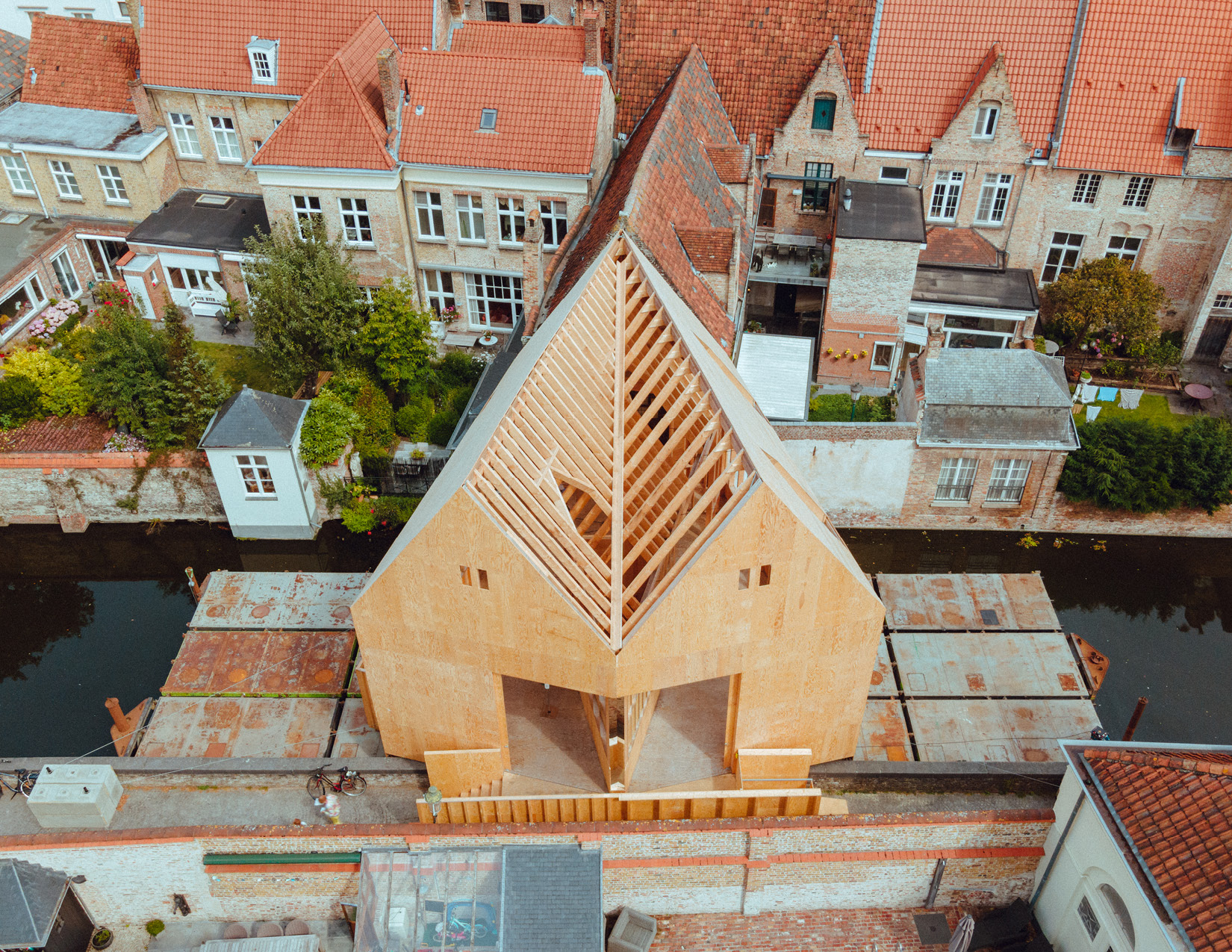
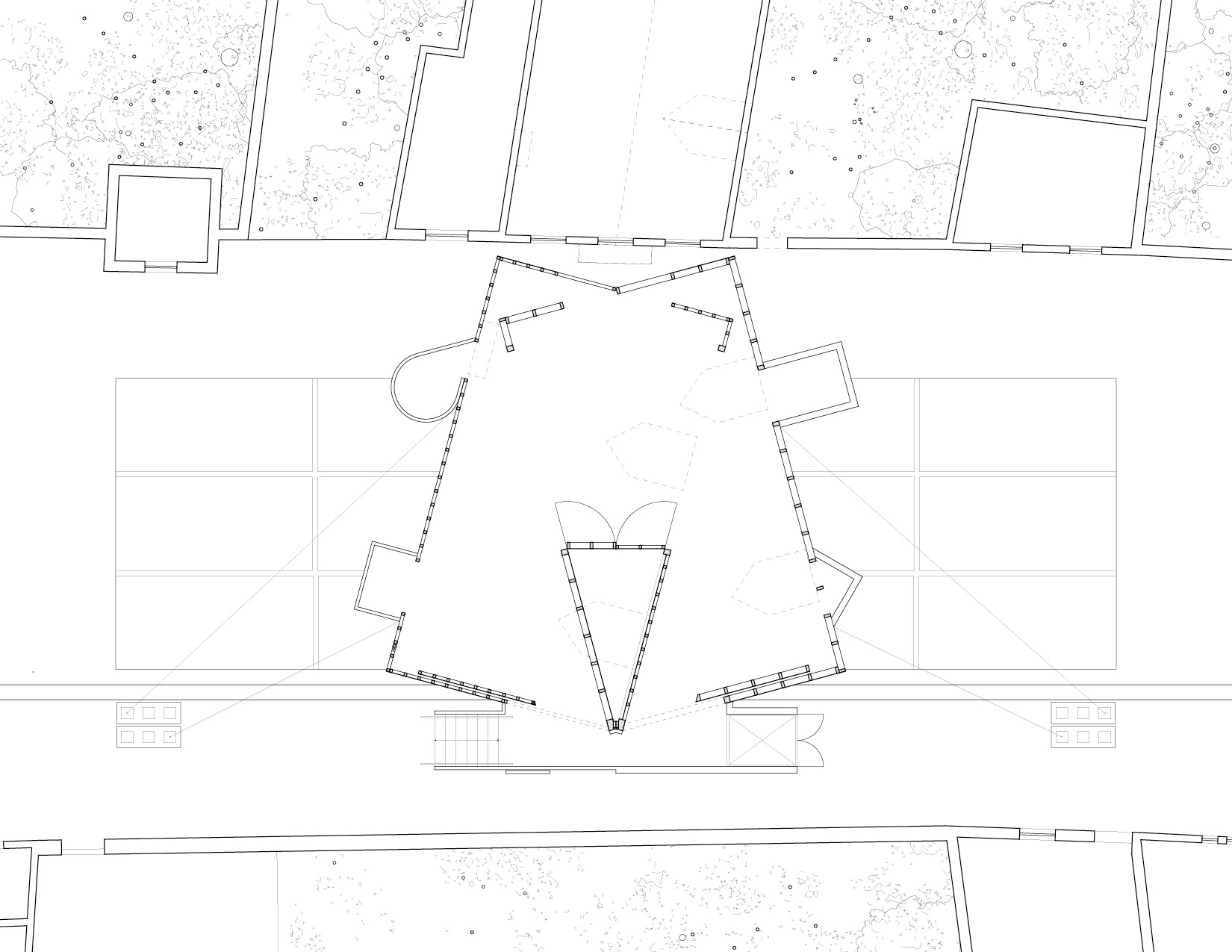
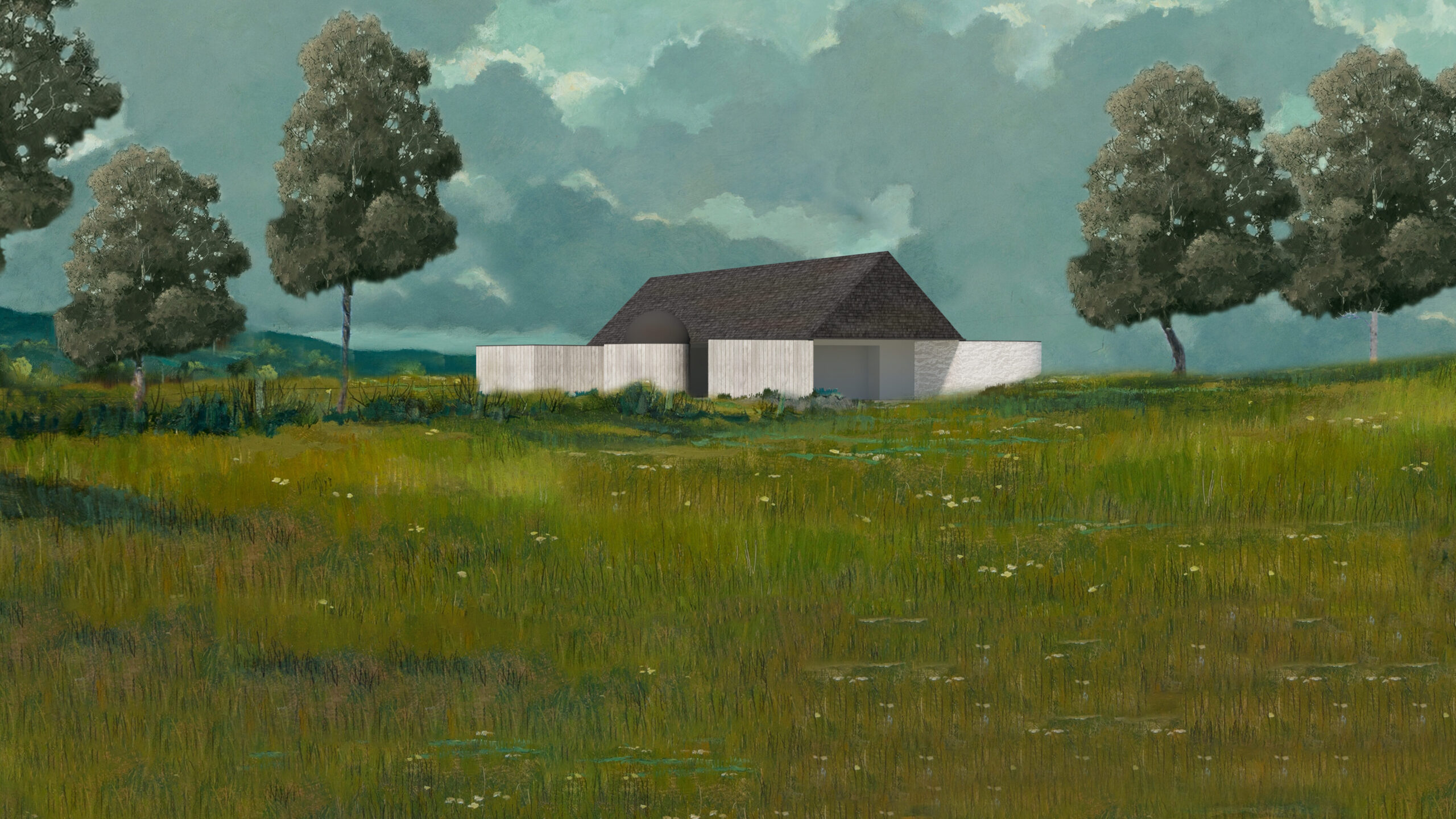
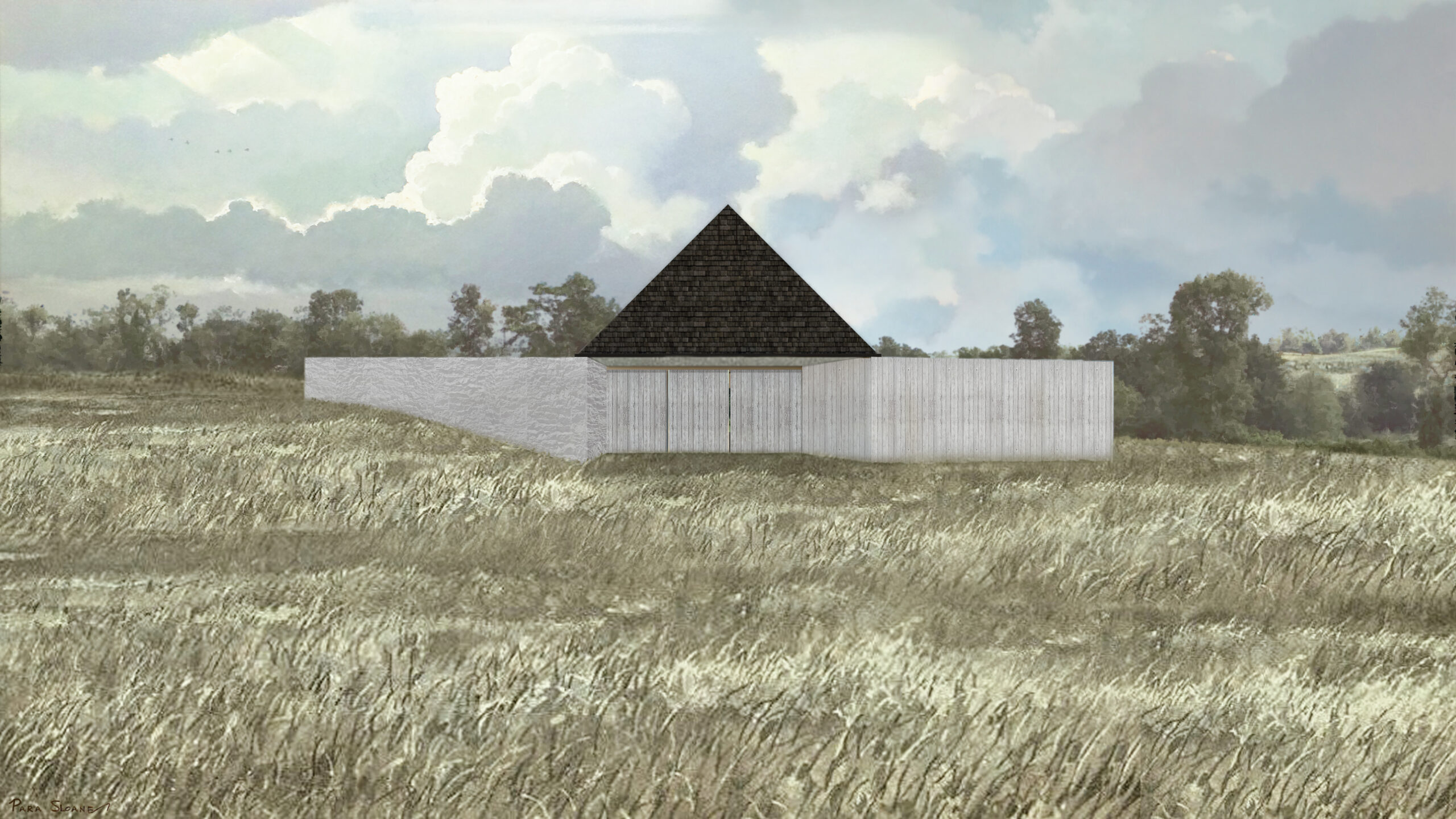
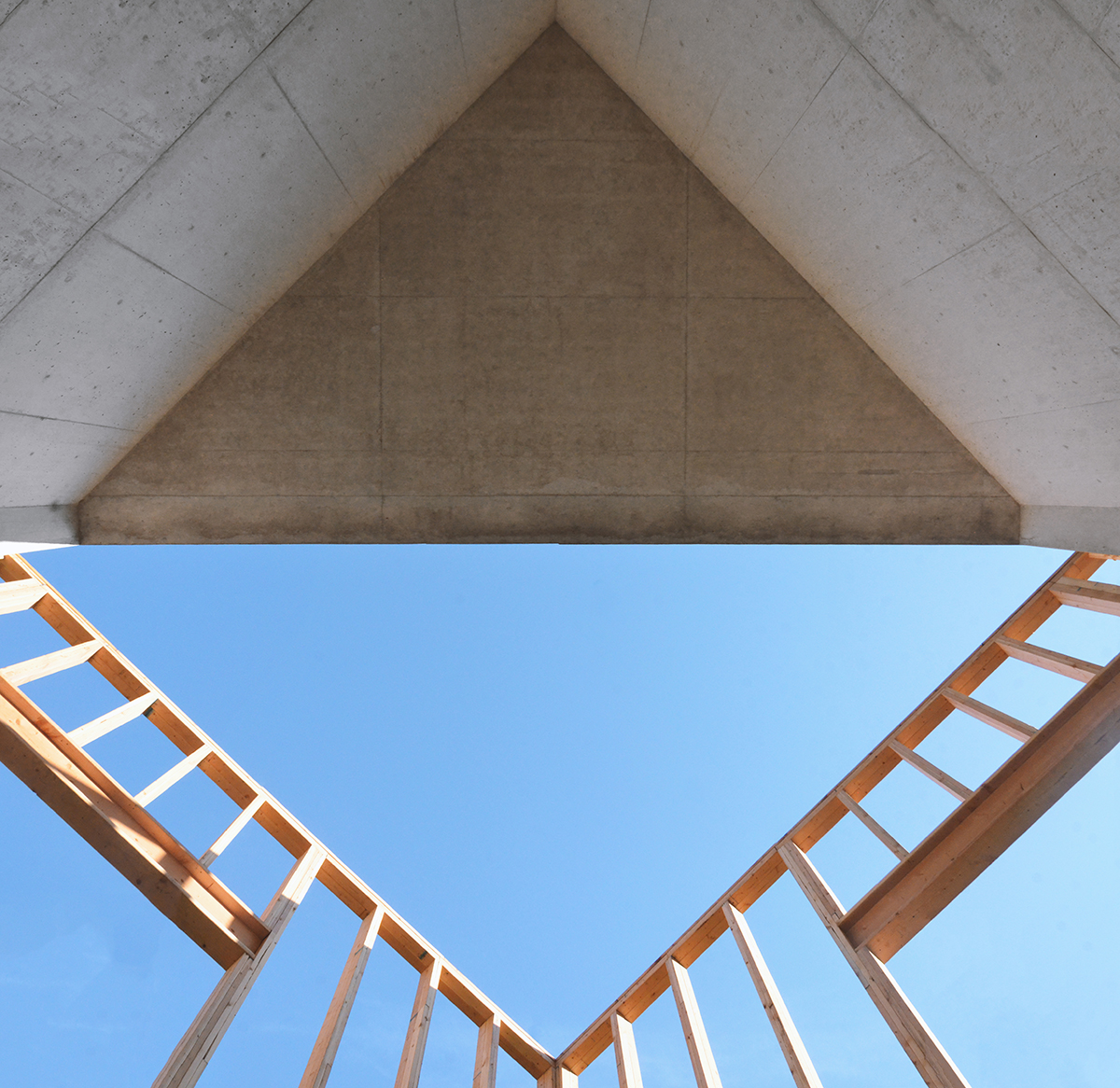
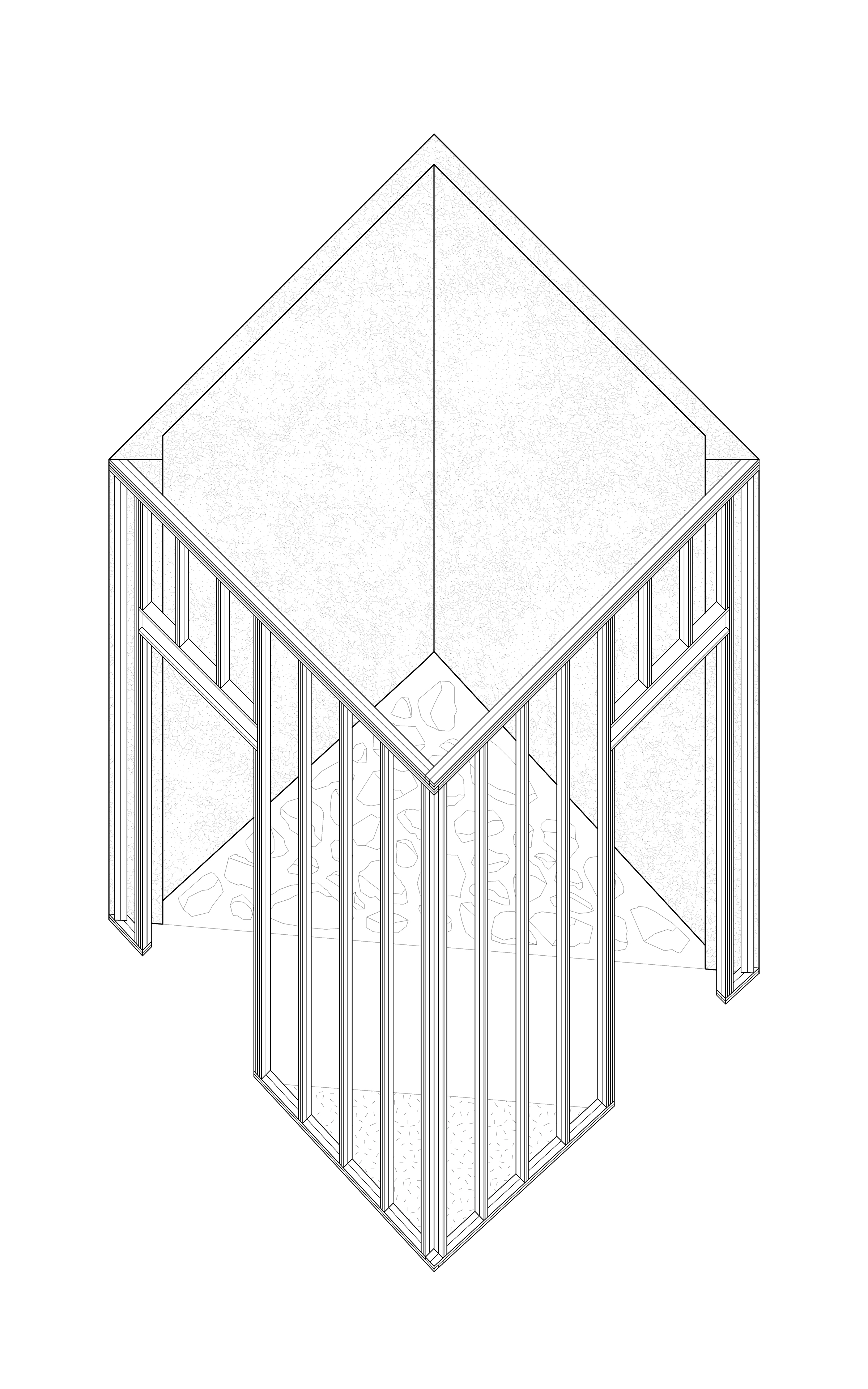
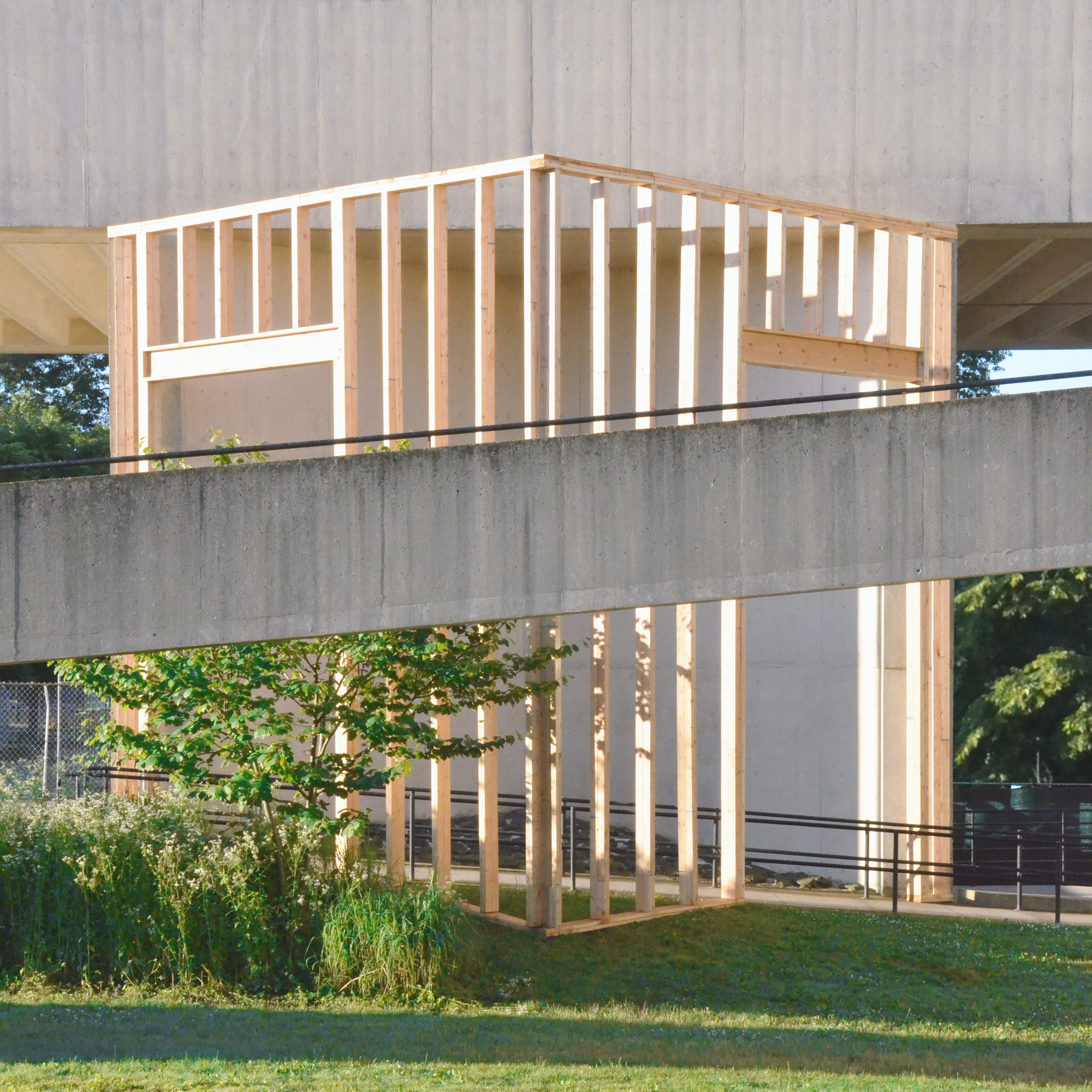
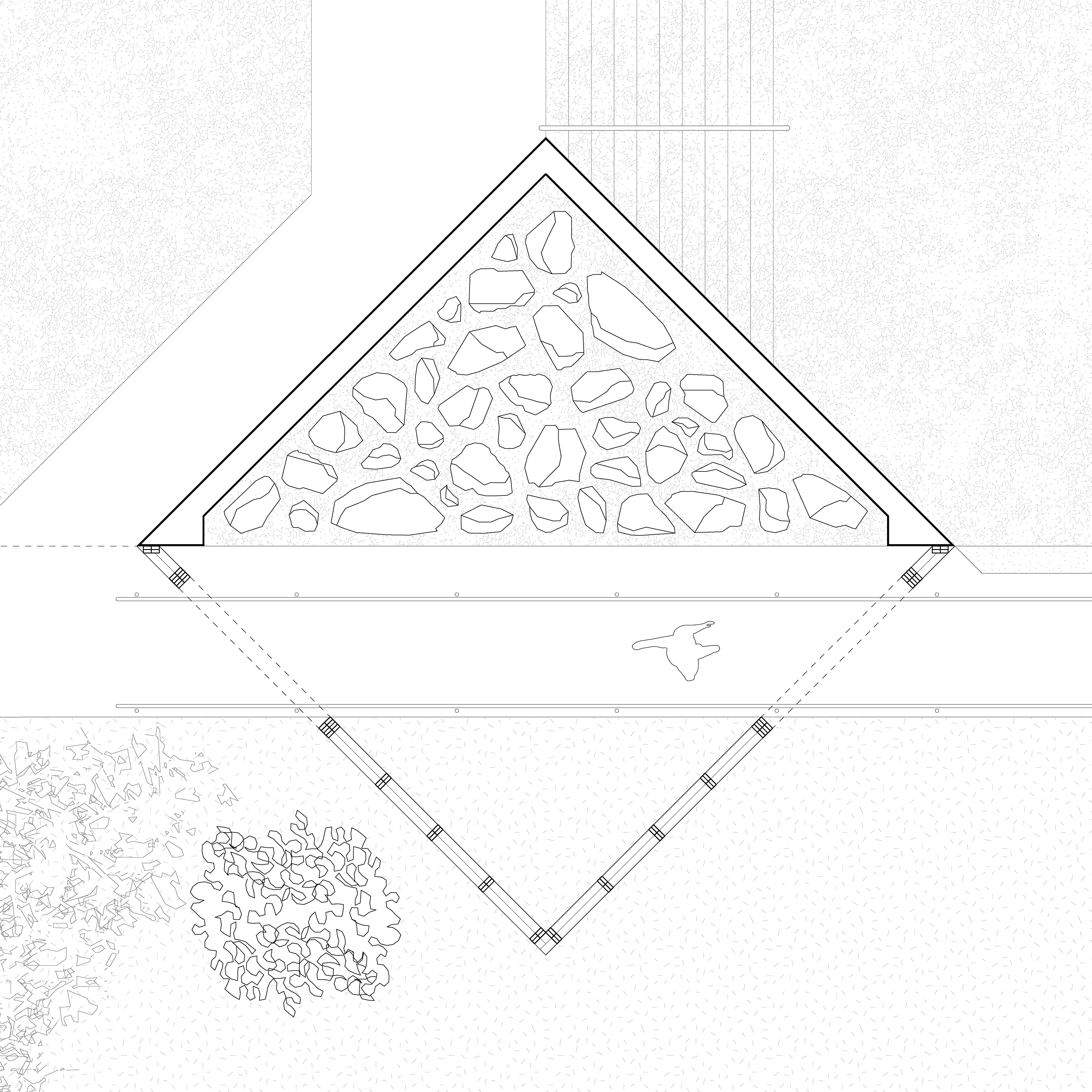
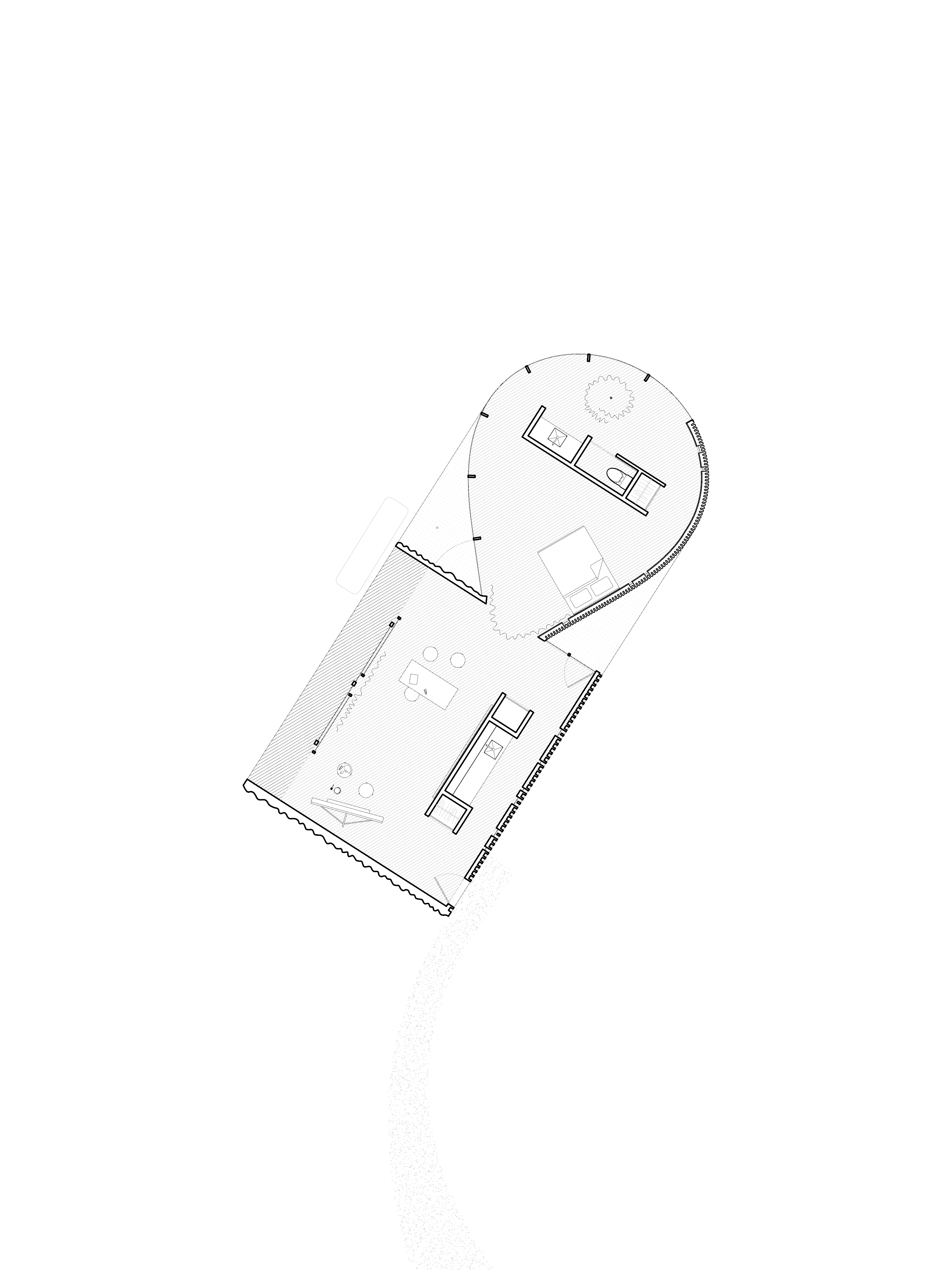
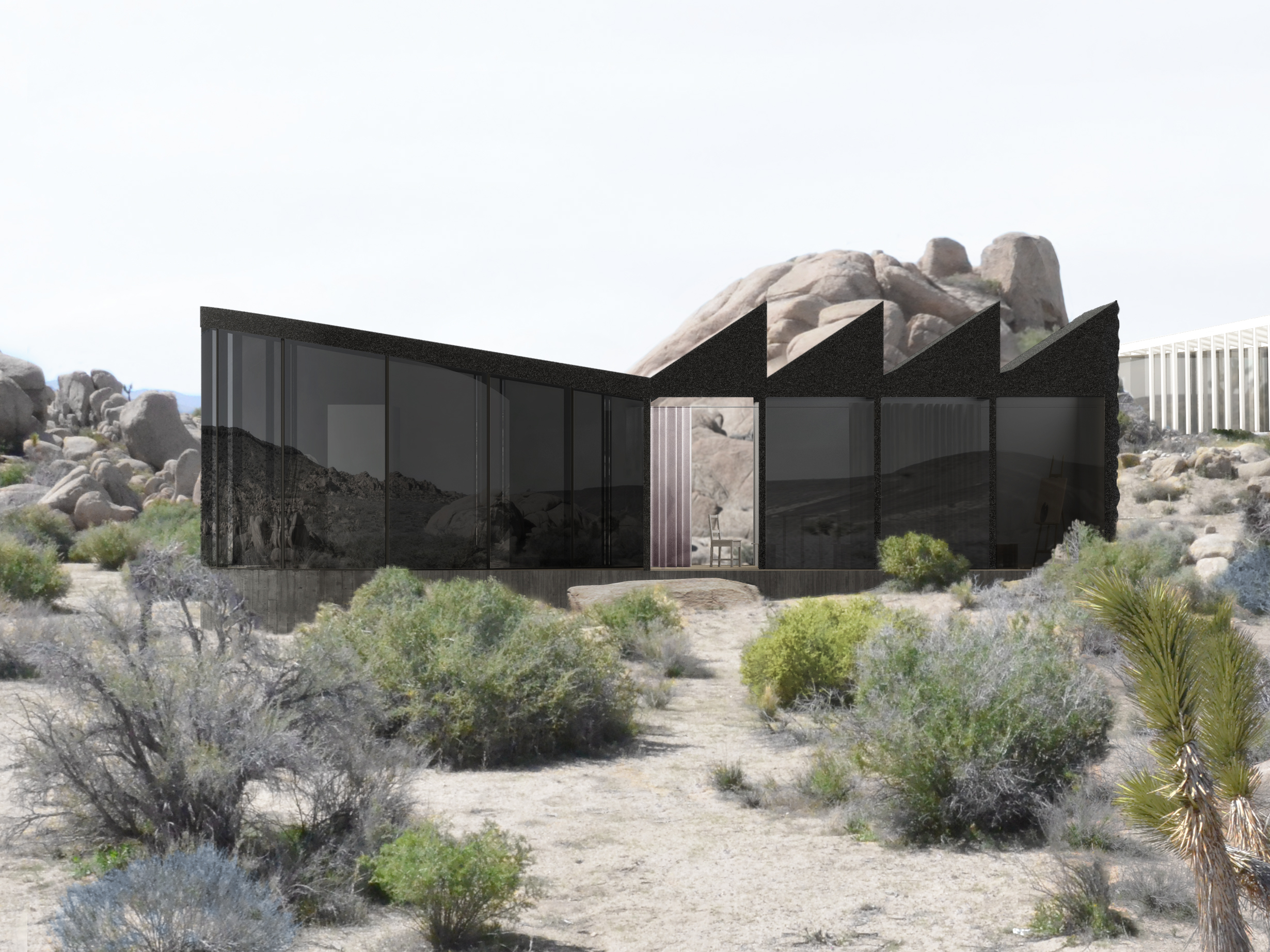
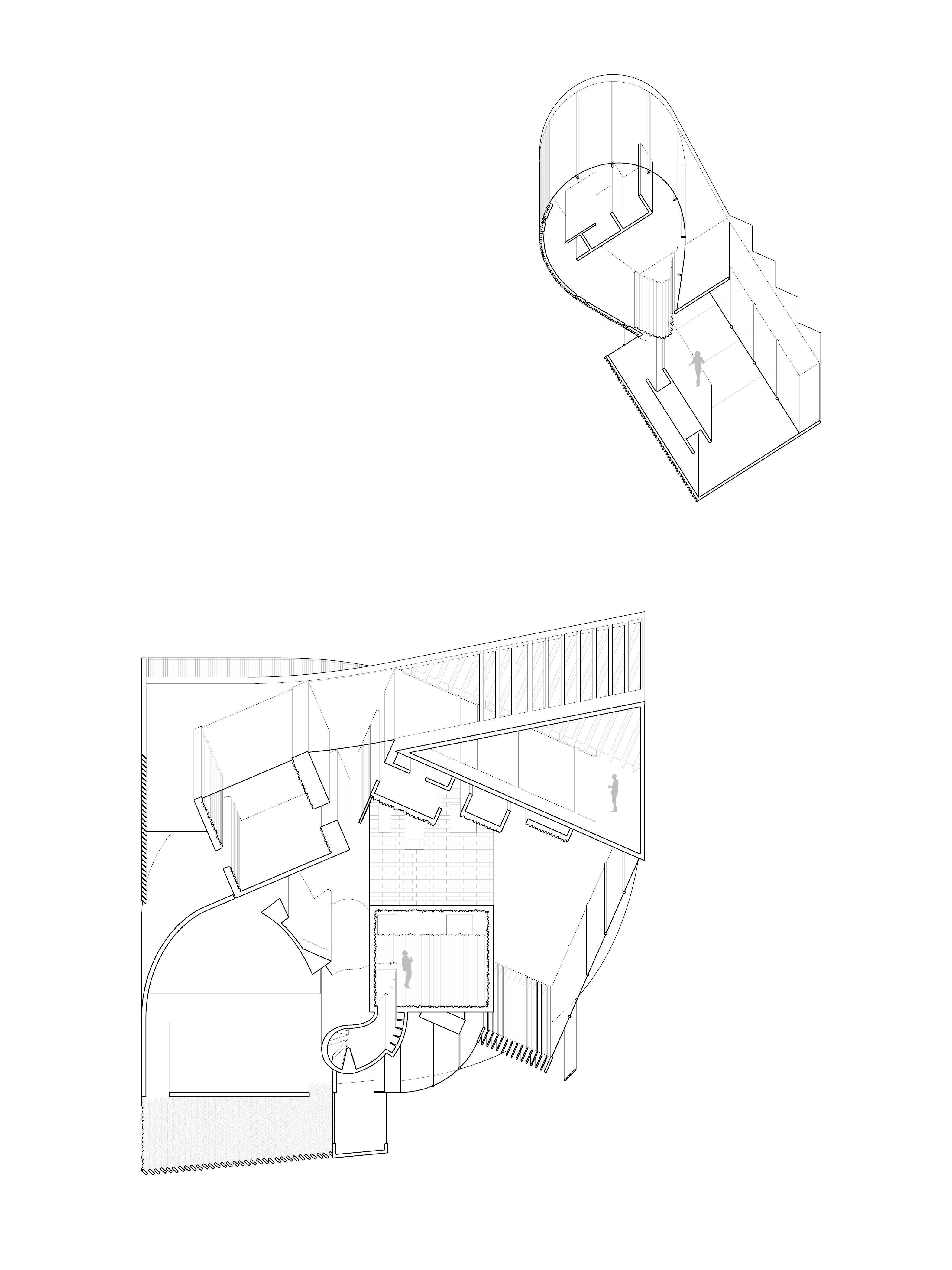
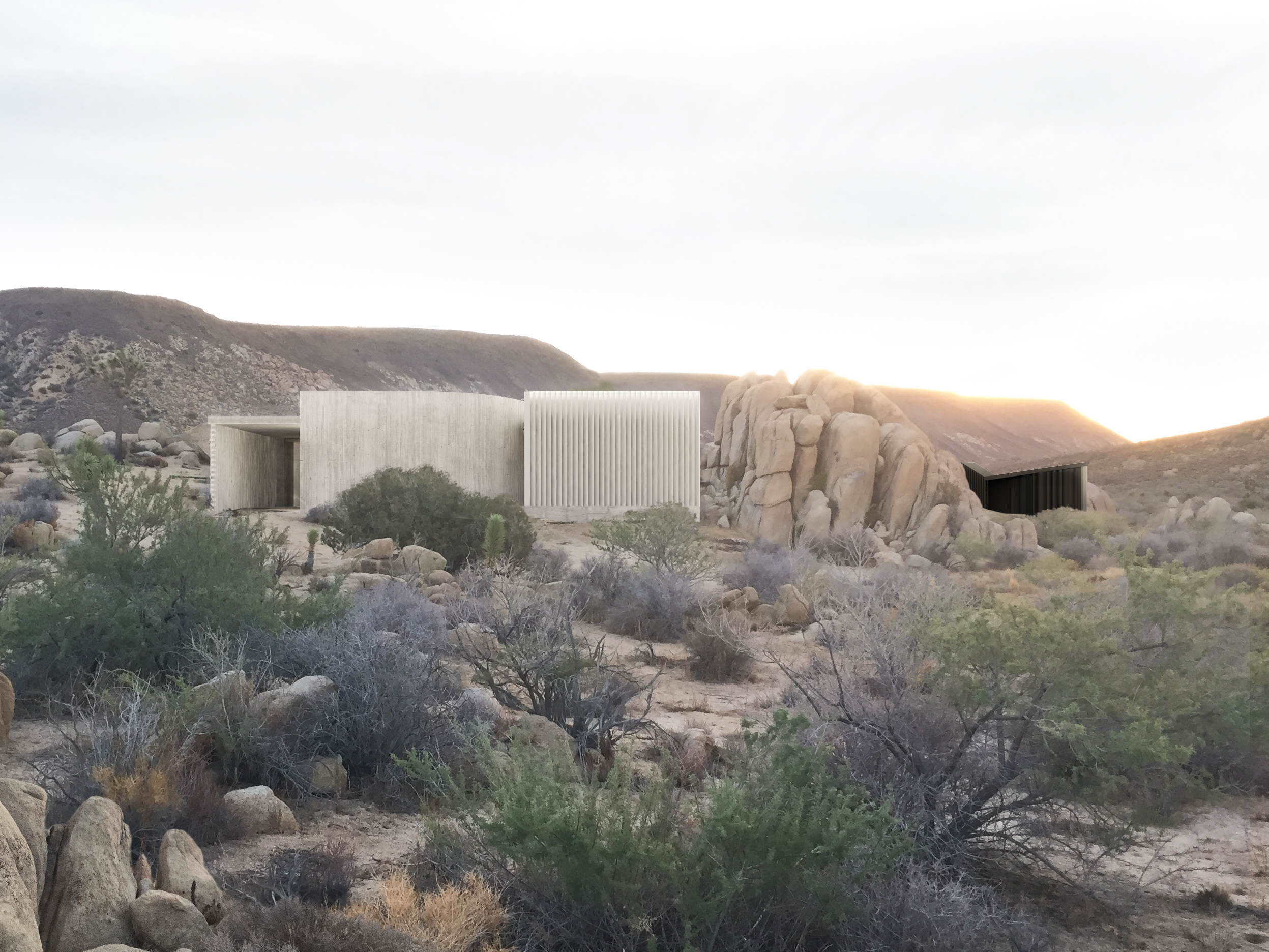
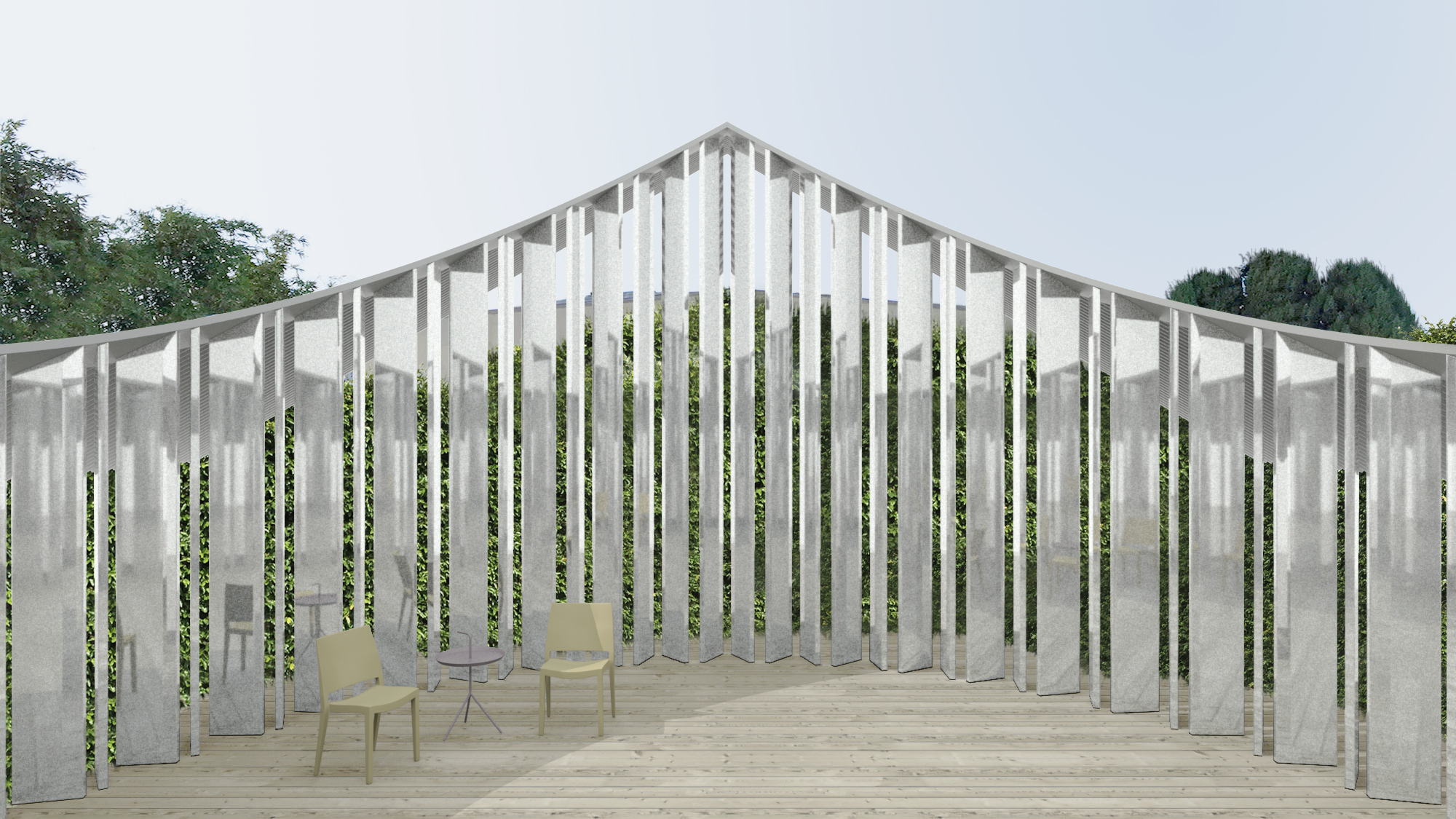
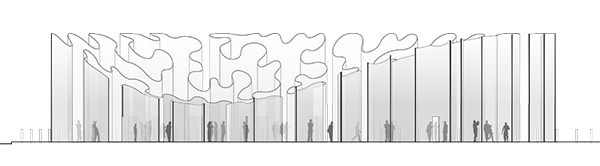
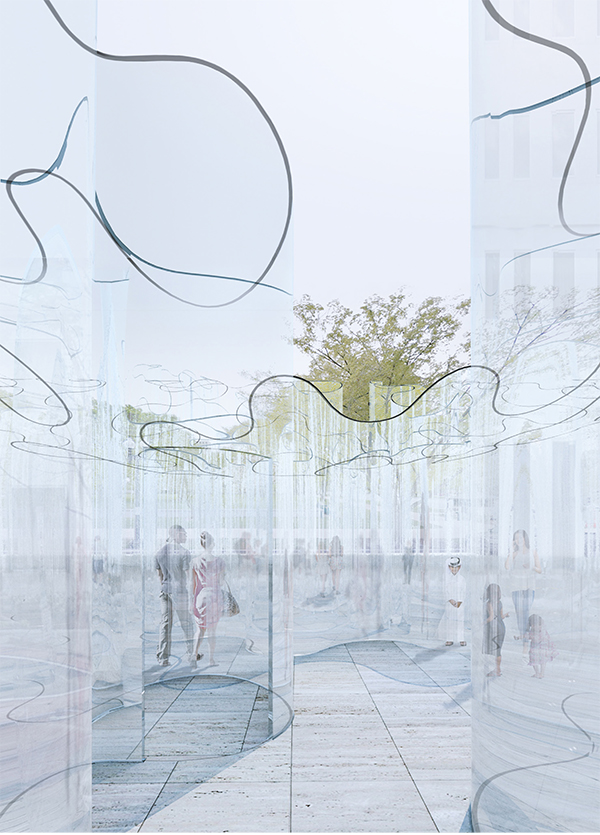
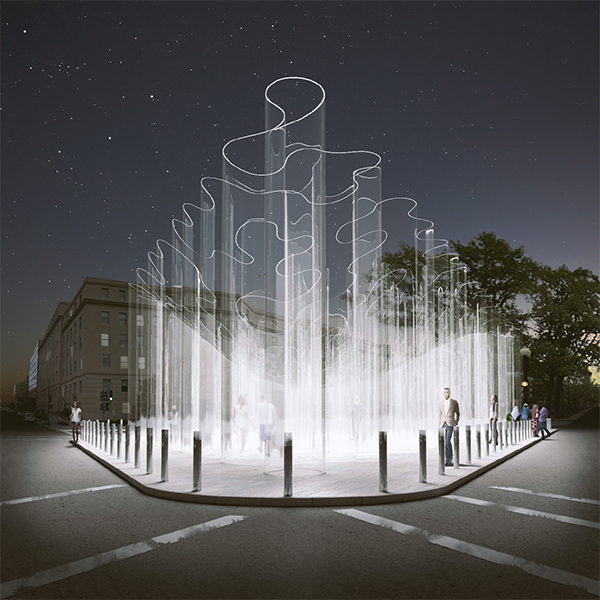
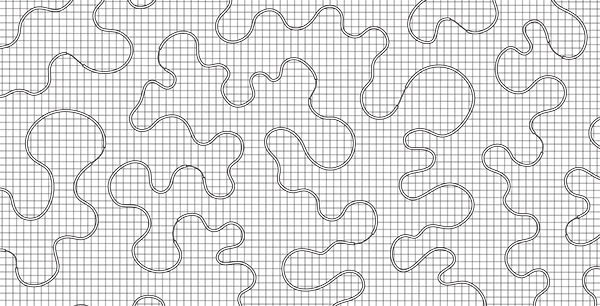
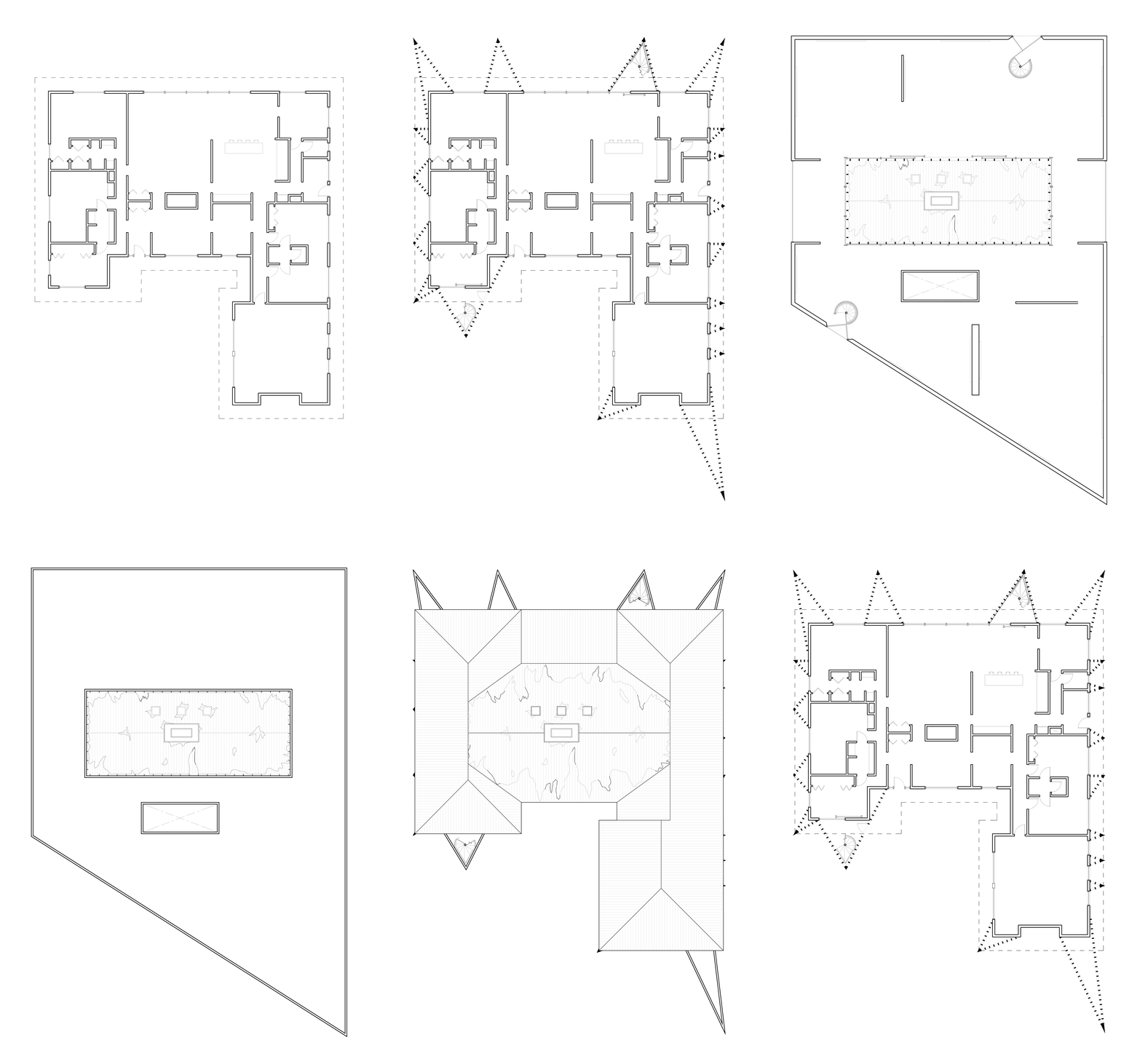
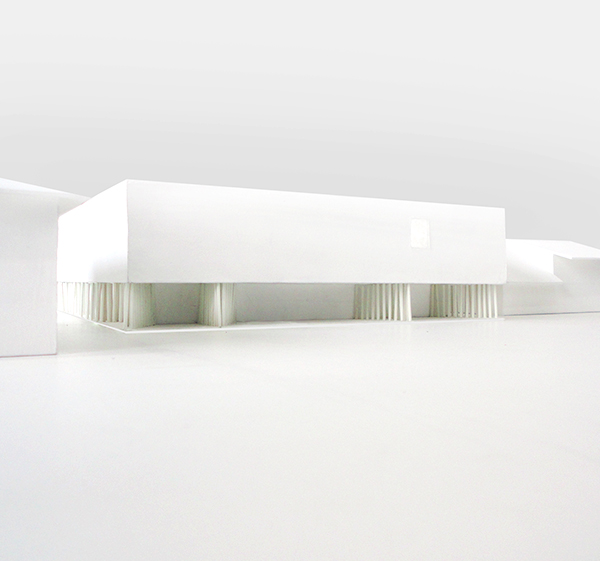
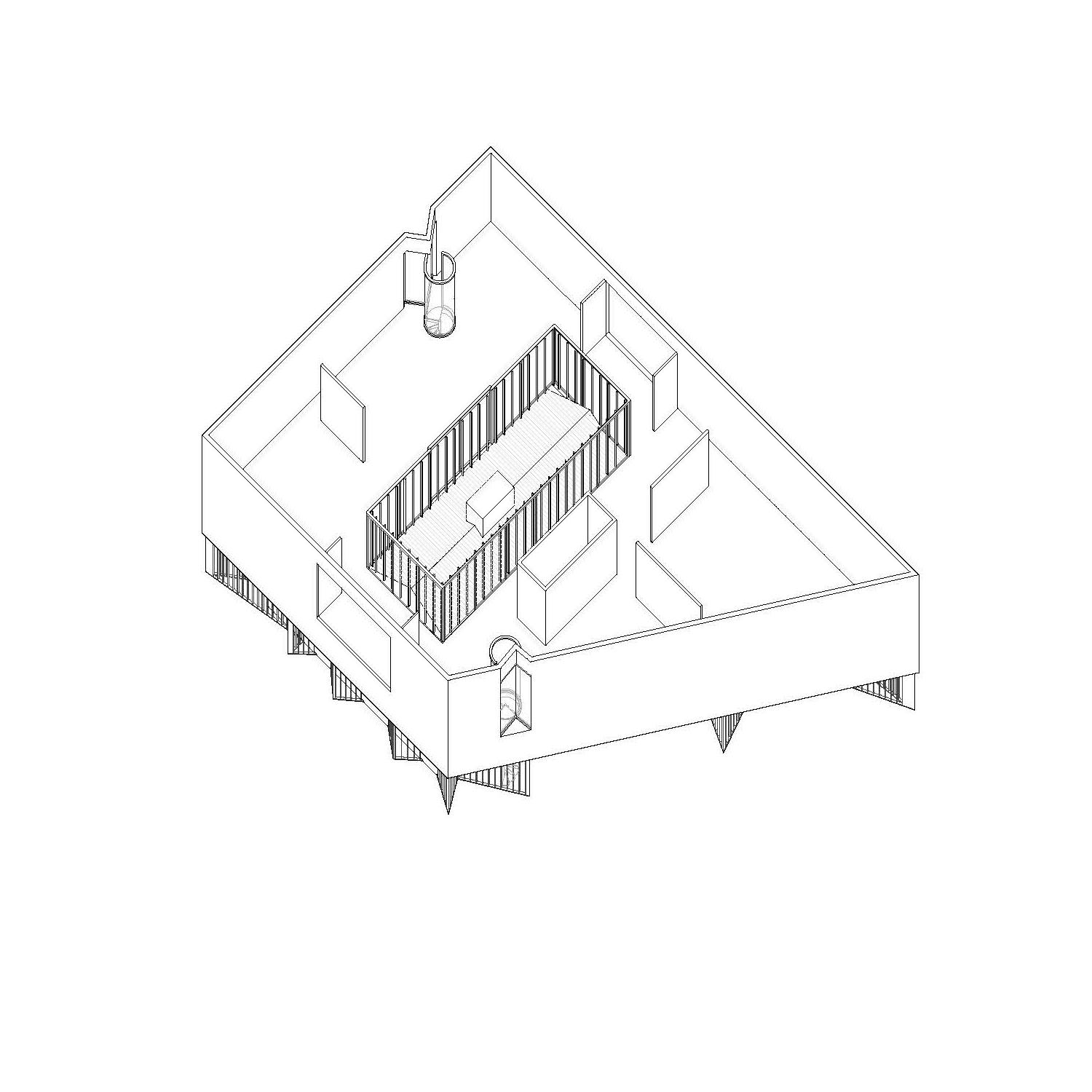
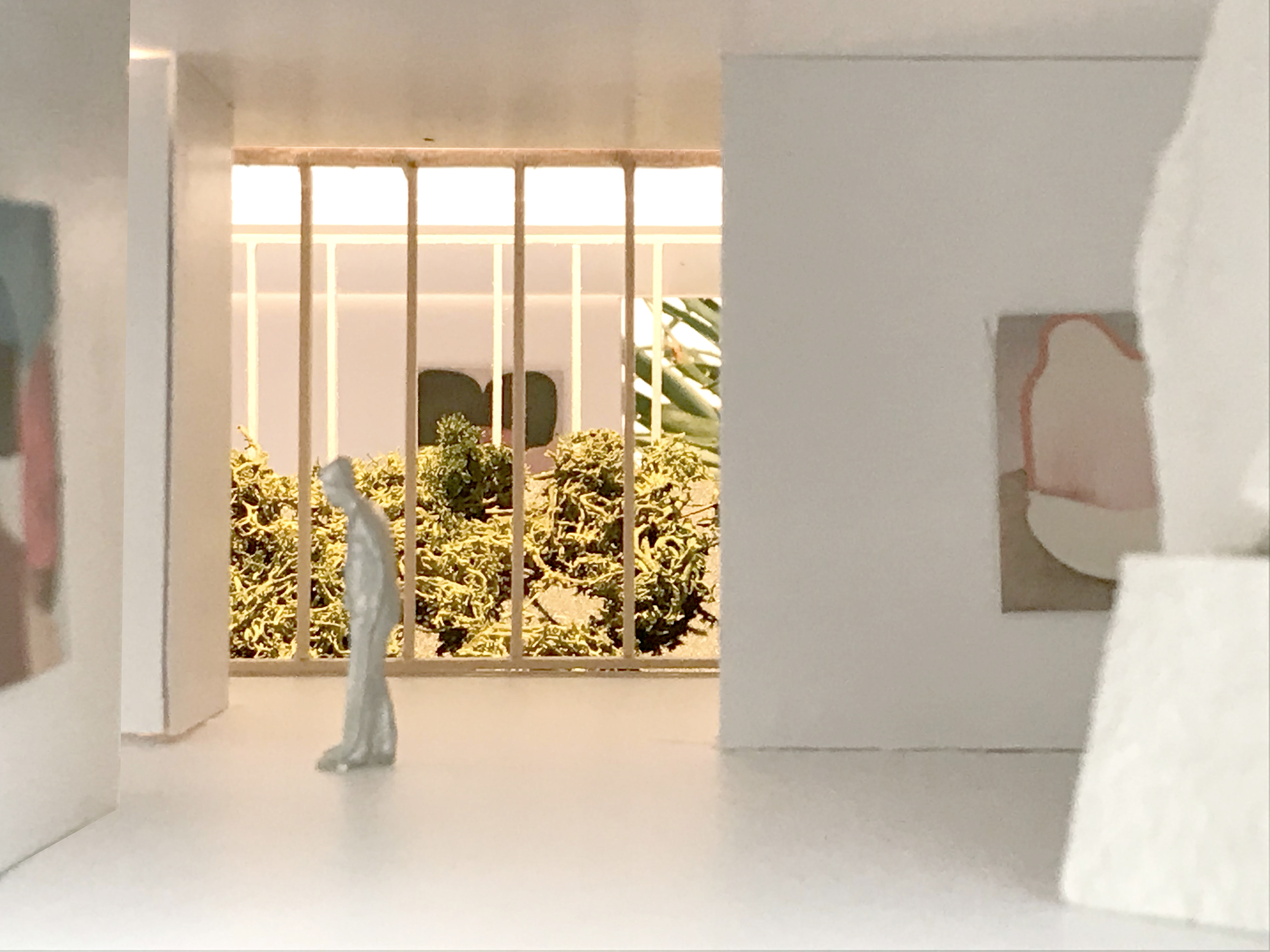
Name: Brugge Diptych
Client: Brugge
Year: 2021
Status: construction
Type: pavilion
Location: Brugge, Belgium
Team: Jon Lott, William Smith, Rachel Coulomb, Lauren McClellan
Awards:Â Best Temporary Installation of the Year (Architect’s Newspaper / Best of Design Awards 2021); Innovative Award (German Design Council / Iconic Awards 2022); Building of the Year Nominee (Archdaily Awards 2023); Dezeen Awards Longlist (2023); the PLAN Award, Italy, Honorable Mention (2023)
Awards: P/A Award, Honor (ARCHITECT 2019); Special Mention Award (Architizer A+Awards 2019); Best of Design Honorable Mention (Architect’s Newspaper 2019)
Exhibitions:Â Inscriptions: Architecture Before Speech (2018, Harvard University Graduate School of Design, curated by Andrew Holder and K. Michael Hays)
Awards:Â P/A Award Citation (ARCHITECT 2018), A+ Award (ARCHITIZER 2018), NEXT LA Merit Award (AIA|LA 2018)
Team: this project was run under the Collective-LOKÂ
Jon Lott, William O’Brien Jr., and Michael Kubo
with team members: Justin Gallagher, Benjamin Halpern
Structural Consultant: Robert Silman Associates
Exhibitions:Â Inscriptions: Architecture Before Speech (2018, Harvard University Graduate School of Design, curated by Andrew Holder and K. Michael Hays)
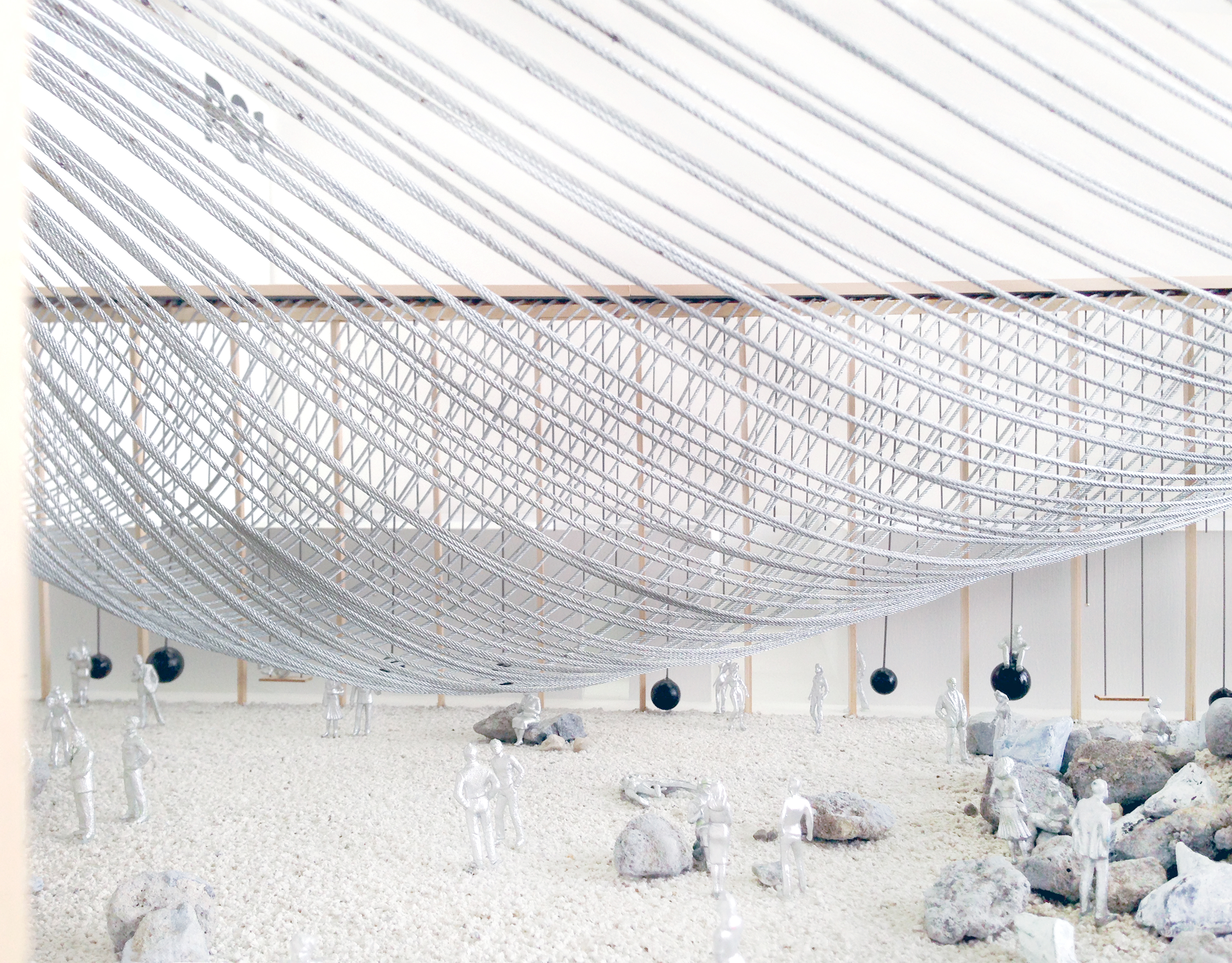
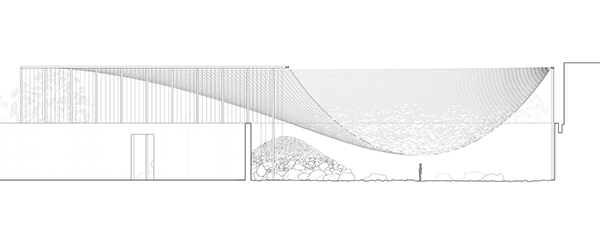
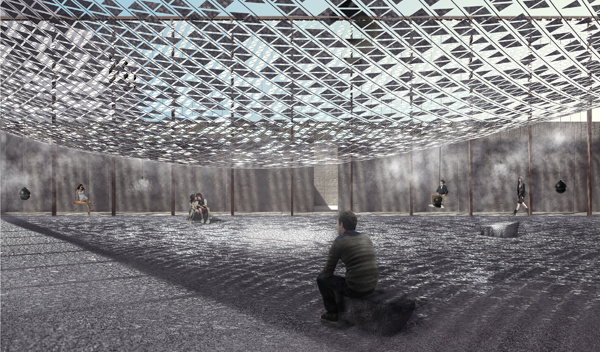
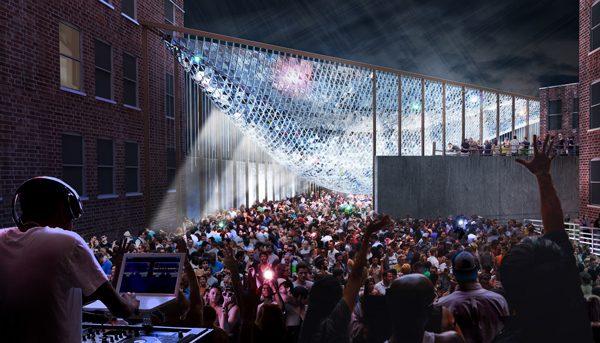
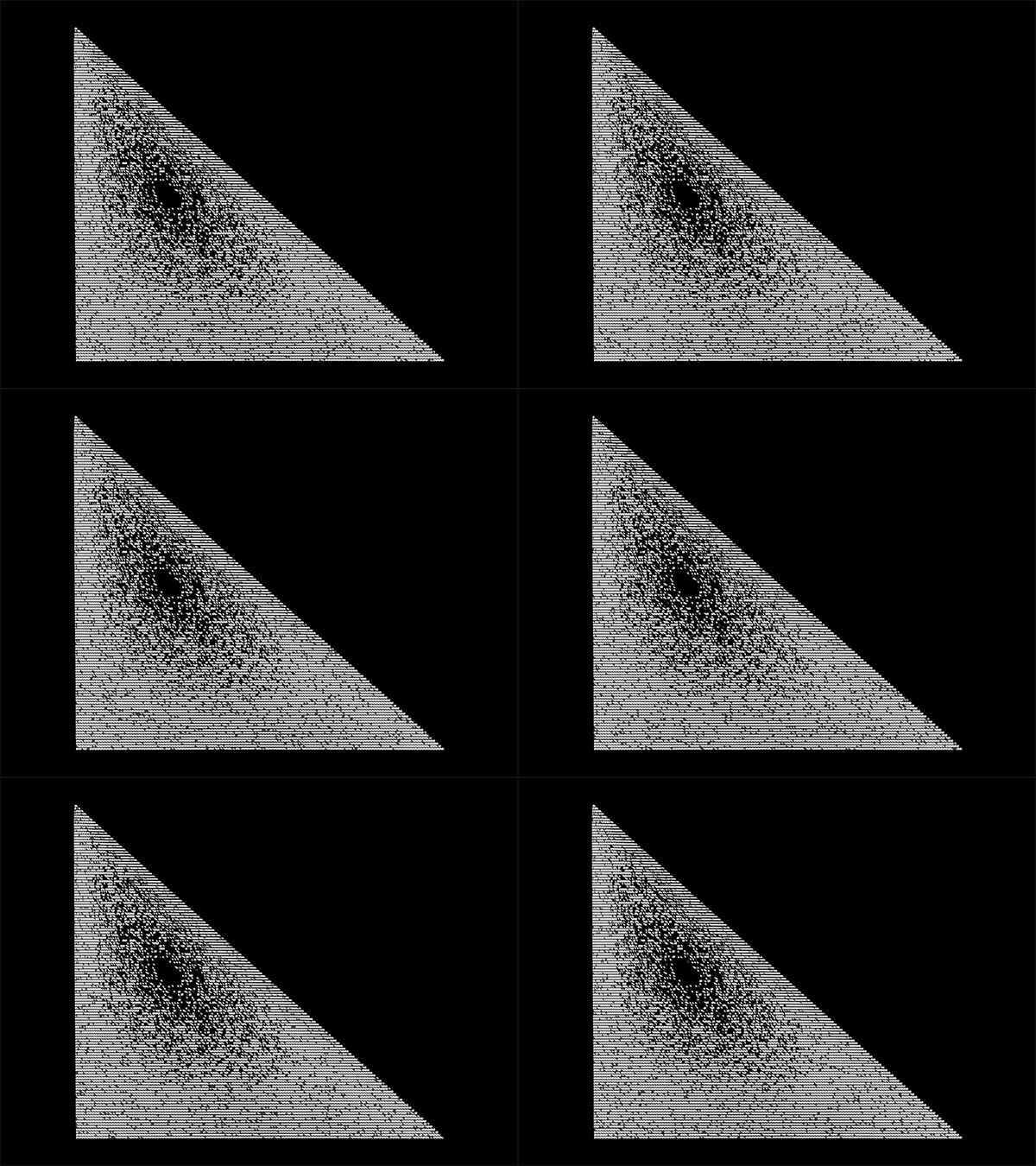
Mirror Mirror explores the institutional definition of MoMA PS1 through the triangular figure of its courtyard, proposing the mutual reflection of this space and the city through a billowing roof surface and the redefinition of its perimeter wall as an urban mirror. The edges of the triangular courtyard are lifted to make its space visible as an urban figure, then used as the frame from which a shimmering surface of mirror tiles is draped. The tile pattern ranges from fully mirrored at its edges to a halo-like void at its lowest point, dissolving this collective accumulation of tiles to create space for a singular moment of contemplation at its center. A gravel mound lifts viewers above ground level for a direct view over the courtyard wall and accommodates tiered seating for events, while the surface of the concrete wall is mirrored to double both mound and roof between courtyard and street. A colonnade of wood beams at the perimeter of the triangle houses a variety of hanging elements for cooling and play, including mist, showers, buoys, and swings. Through a crowdsourced campaign each mirror tile is customized with an inscription of 140 characters, investing participants in the collective form of the billow and creating a memento through 17,000 personal mirrors sent to contributors after the closing of the pavilion. At night, spotlights turn the field of mirrors into a glittering backdrop for the Warm Up party and other MoMA PS1 events.
PROJECT DATA
Name: Mirror Mirror
Client: MoMA / PS1
Year: 2014
Status: competition
Type: cultural
Location:Â Queens, New York
Team: this project was run under the Collective-LOKÂ
Jon Lott, William O’Brien Jr., and Michael Kubo
with team members: Chaewon Ahn, Enas Alkhudairy, Majda Al Marzouqi, Justin Gallagher, Jerome Byron Hord, May Jieun Jeong, Arion Kocani, Patrick Evan Little, Lauren McClellan, Dave Miranowski, Caner Oktem, Gabrielle Patawaran, John David Todd, Robert White
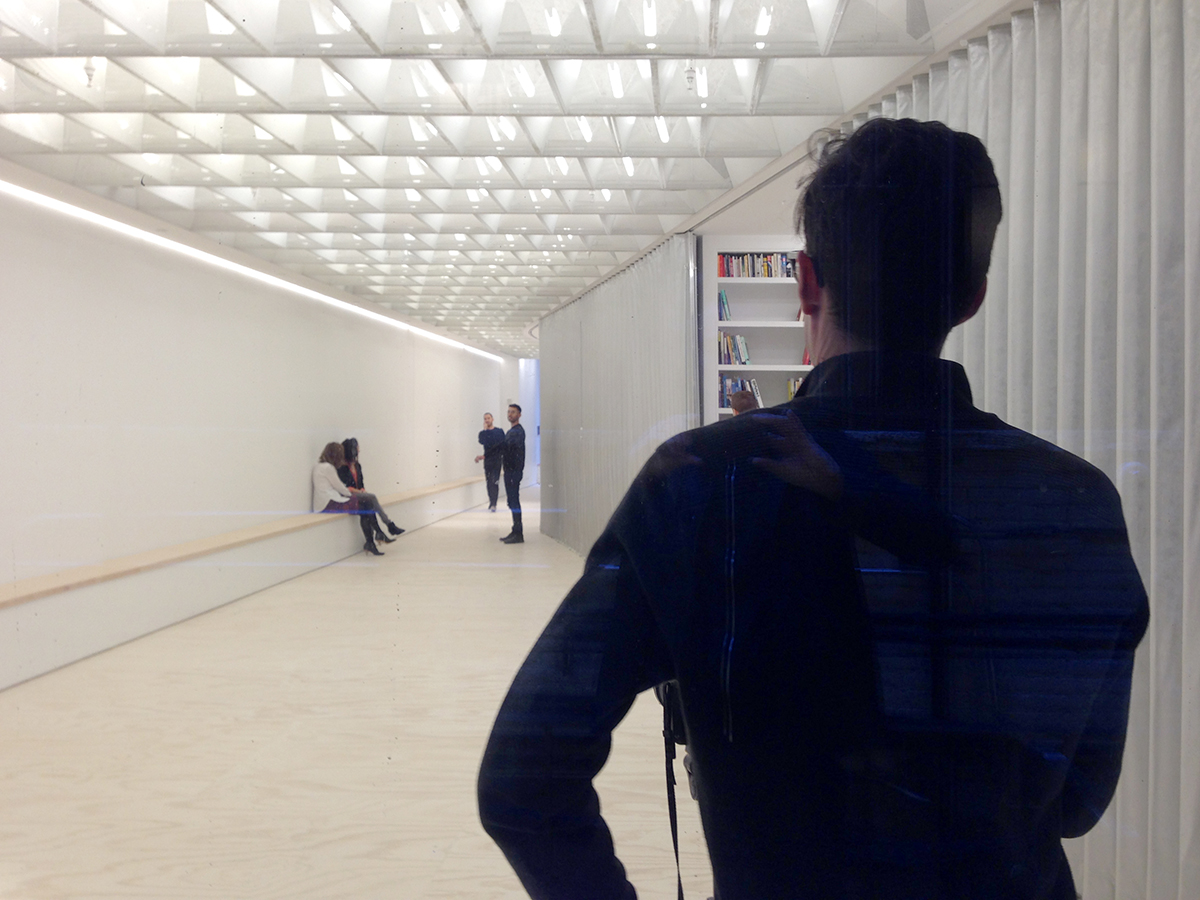
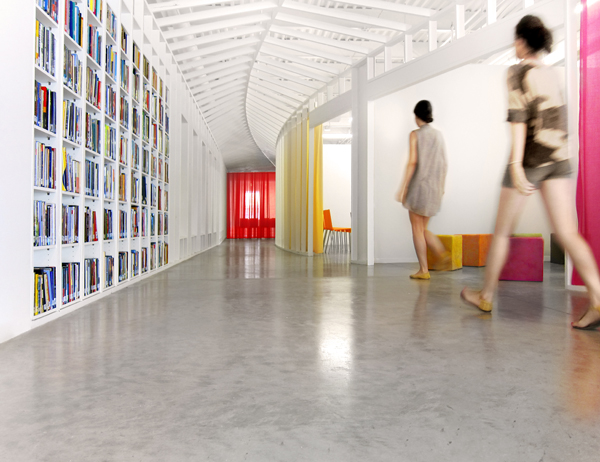
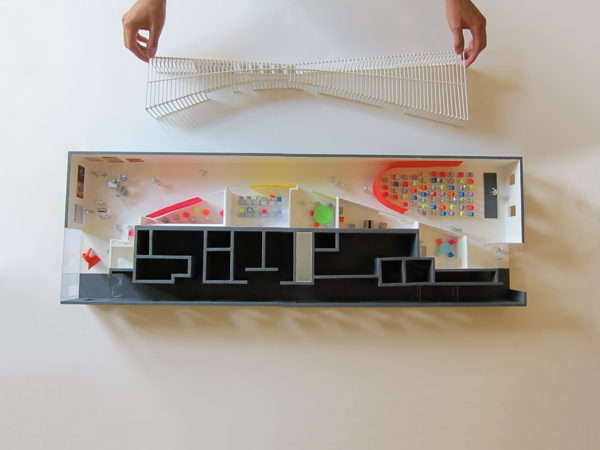
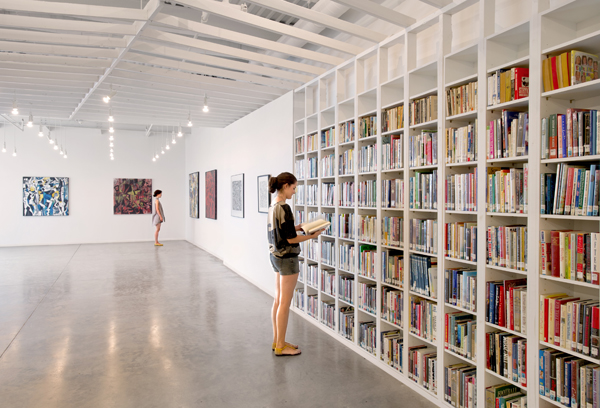
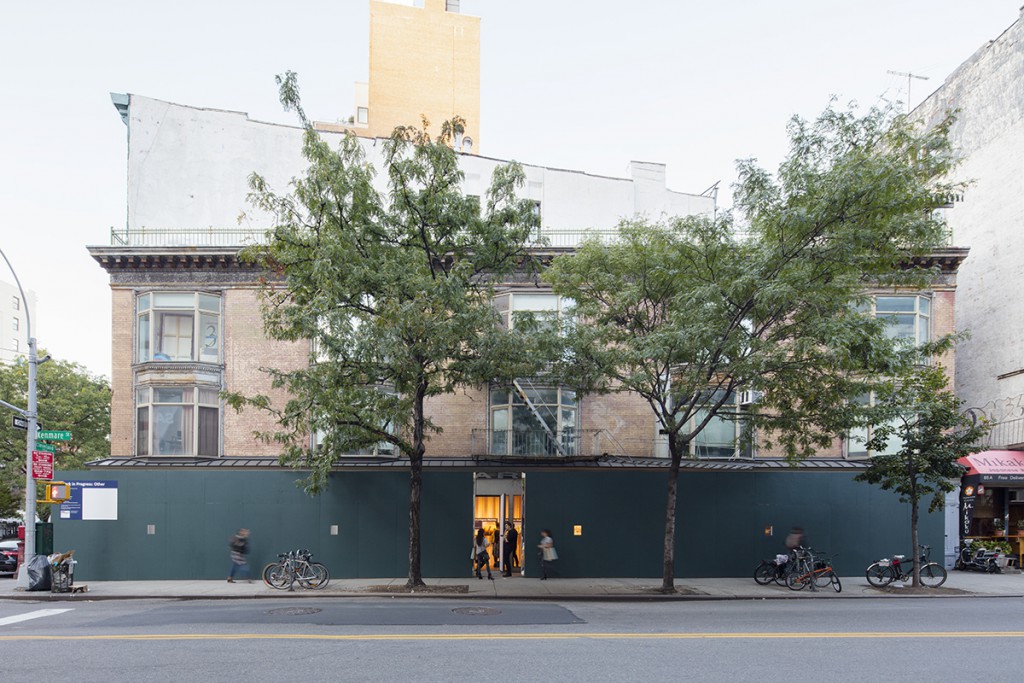
The new home of the Van Alen has to be many things at once. The space requires curatorial flexibility for a breadth of public programming including exhibitions, lectures, reading groups, and book launches; a comfortable an efficient office environment for different scales and modes of work ranging from formal to casual; a framework that can grow to include the second floor and basement as the institution expands in the future; and a mobile street seat that will bring the Van Alen’s mission into the urban realm.
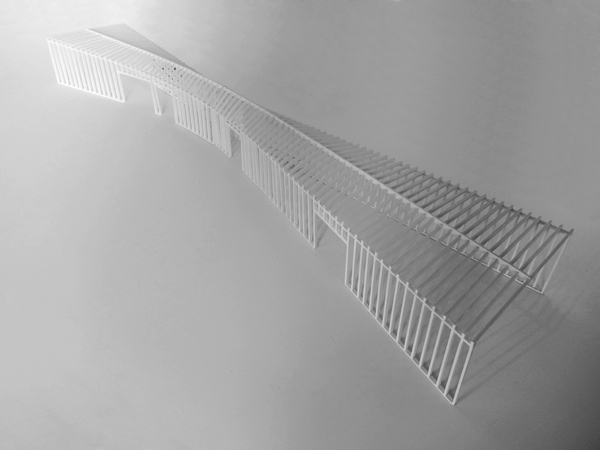
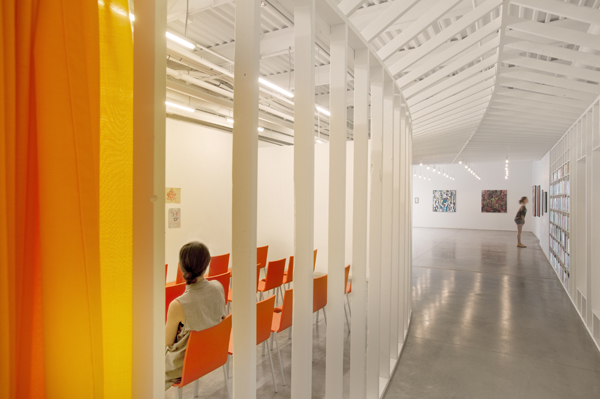
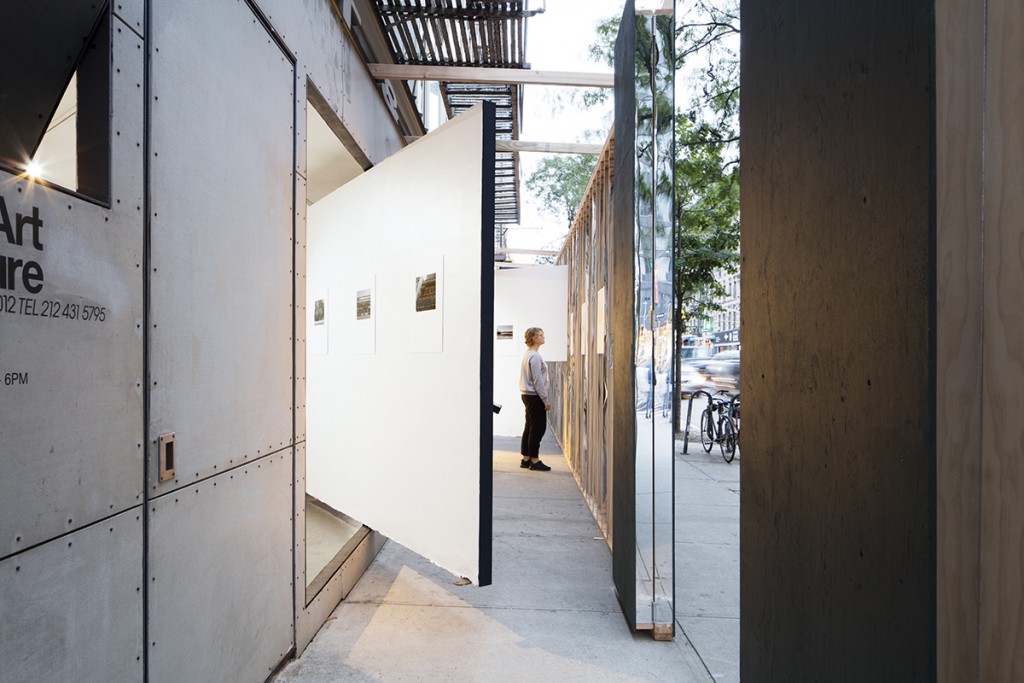
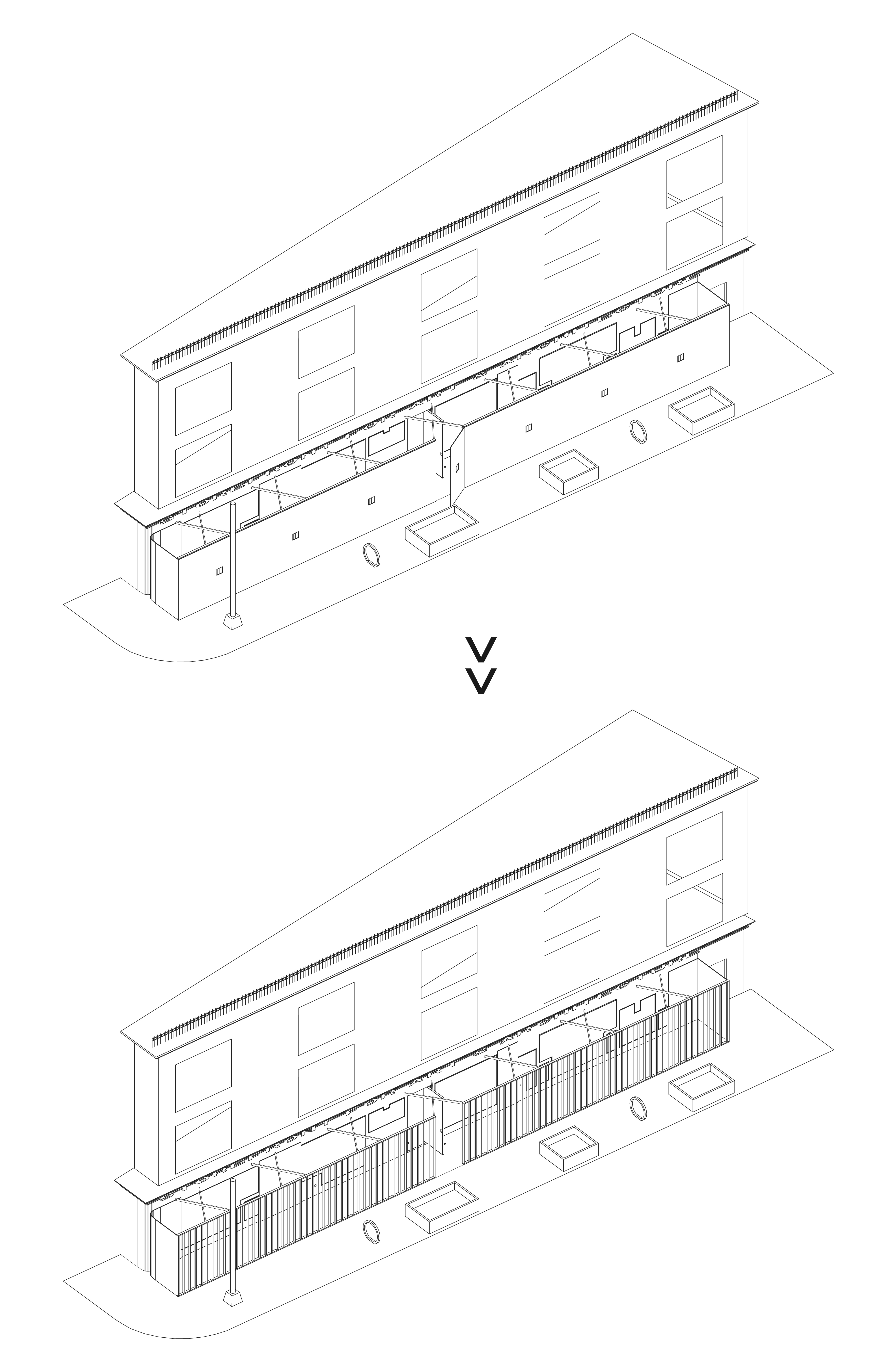
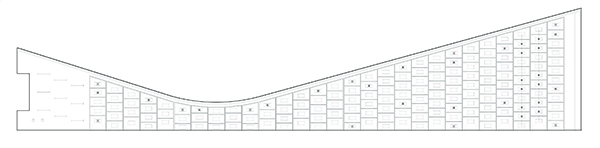
To accommodate this range of possibilities within a limited square footage, we propose a Screen Play; a mechanism to order these spatial, curatorial, and temporal scenarios through a subtle interplay of surfaces that creates a complex and ambiguous presence in the city.
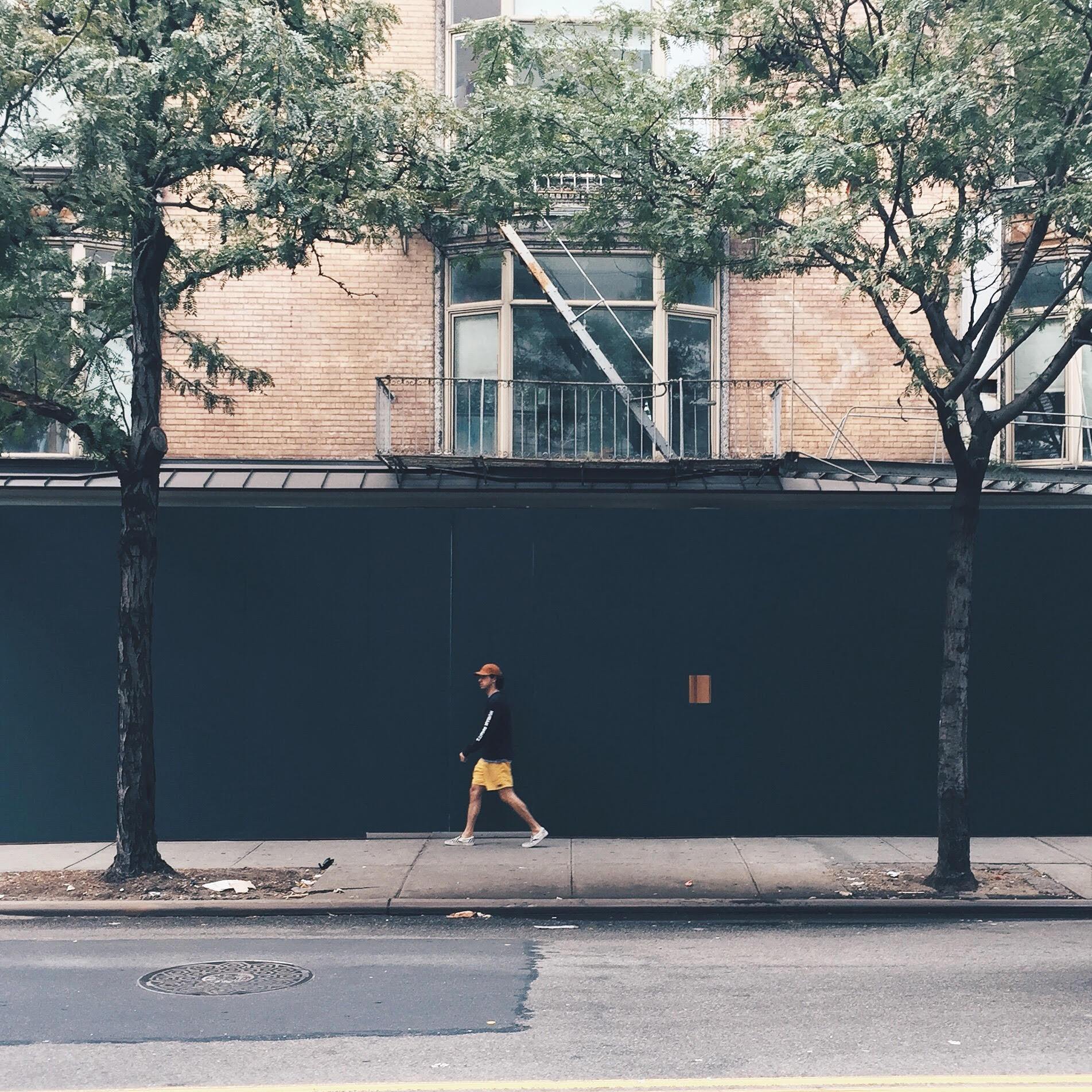
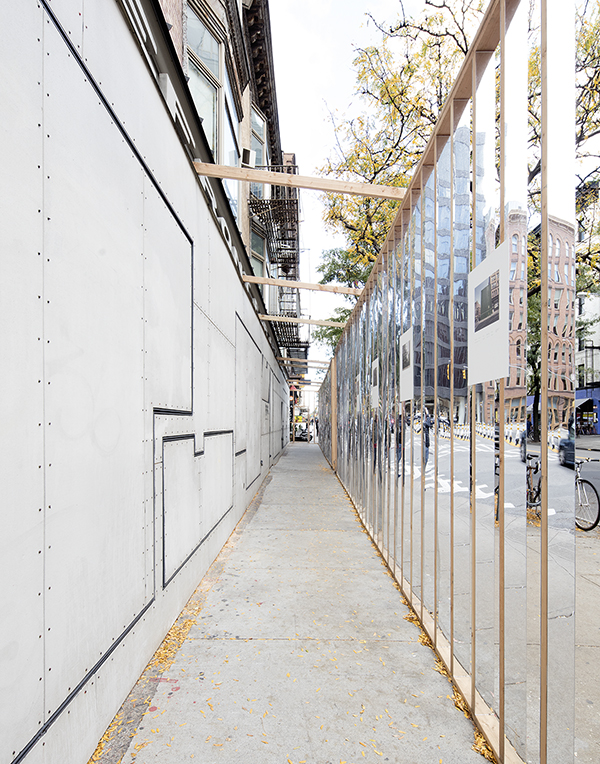
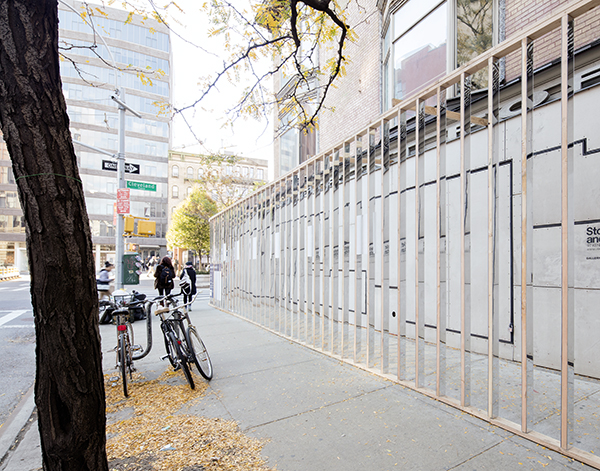
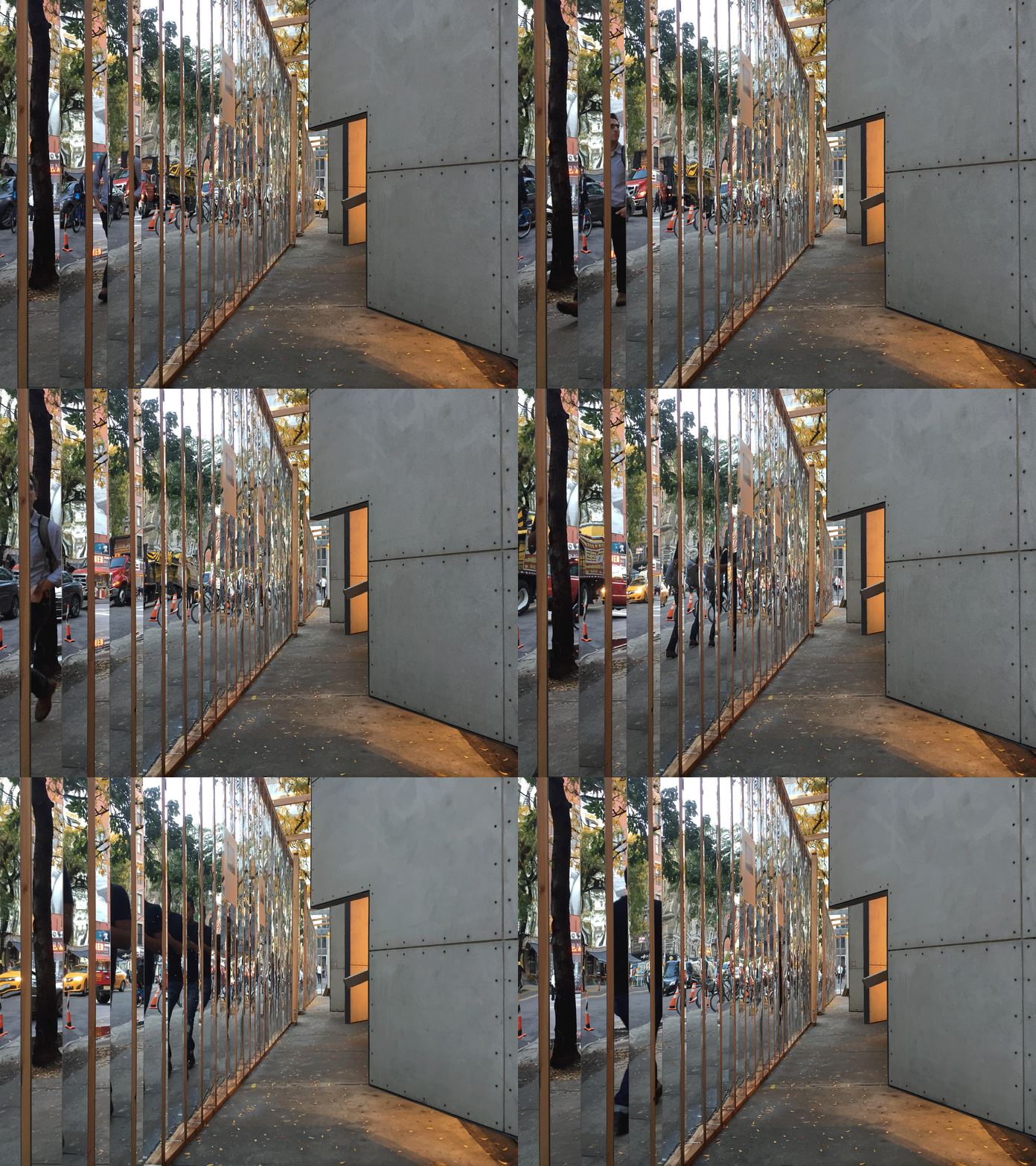
The complex interaction of these surfaces according to different conditions of use creates subtle, luminous effects of reflection, transparency, and translucency that alternately reveal or obscure the changing presence of these activities within the space of the city. Presented here are a few of the scenarios we imagine for the Van Alen’s future performance as a cultural and curatorial space. Screen Play provides a powerful spatial platform for these scenarios, one that we hope will come to be uniquely identified with the Van Alen and its public mission.
PROJECT DATA
Name: Van Alen Institute
Client:Van Alen Institute
Year: 2013 competition, 2015 complete
Status: built
Type: cultural
Location:Â New York City
Program:Â gallery, event space, offices, bookshop
Design Team:Â Jon Lott, William O’Brien Jr., Michael Kubo
with team members: Young Byun, May Jieun Jeong
Competition Team: this project was run under the Collective-LOKÂ
Jon Lott, William O’Brien Jr., and Michael Kubo
with team members: Hyun Chung, Aimee Hultquist, Kyung Sik Kim, Paul Knepley, Dammy Lee, Dave Miranowski
Structure:Â Robert Silman Associates
Lighting: Doug Russell of Lighting Workshop
Contractor: IA
Book Design:Â Chris Grimley / over,under
Awards: 2016 AIA NYC Honor Award, 2016 AIA NYS Award of Excellence, A+Award Finalist (Architizer 2016)
Team:Â Jon Lott, Paul Knepley, Min Lam, Hilary Pinnington, Cristina Webb
Publications: New York Magazine (Aug 10, 2015); MARK #54; A+U #526; The New Urban House (Yale University Press, 2018), edited by Bell and Stathaki; 44 Low-resolution Houses (2018, Princeton University, edited by Michael Meredith)
Exhibitions: 44 Low-resolution Houses (2018, Princeton University, curated by Michael Meredith); Interior Matters (2016, Harvard University Graduate School of Design, curated by Kiel Moe); Mies Crown Hall Americas Prize (2016, Crown Hall, IIT, curated by Dirk Denison); New Practices New York (2014, Center for Architecture AIANY)
Awards: Mies Crown Hall Americas Prize for Emerging Architecture Finalist (IIT 2016), Architecture Merit Award (AIANY 2015), A+Award (Architizer 2015), AZ Award (AZURE 2015), Best of 2014 by Domus





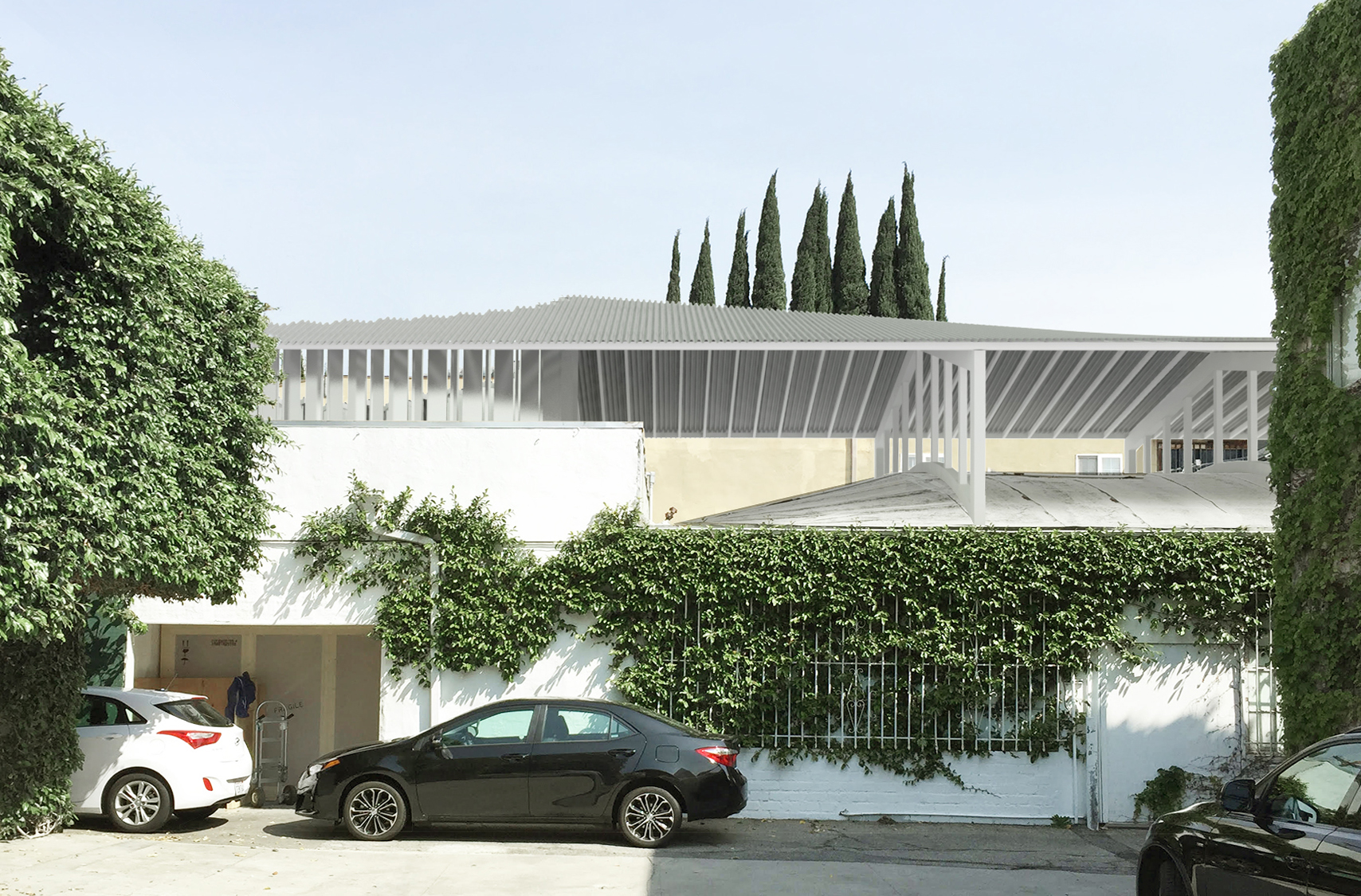
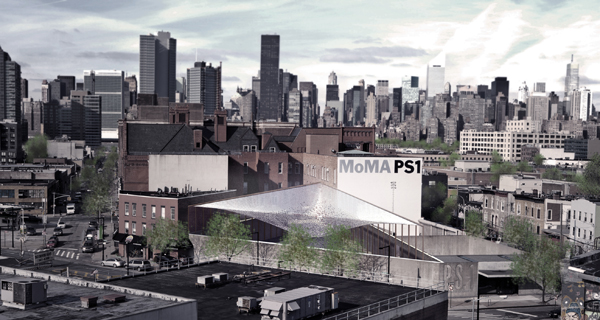
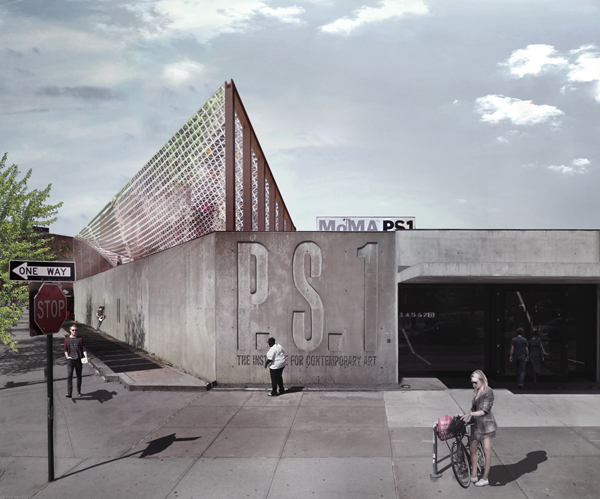
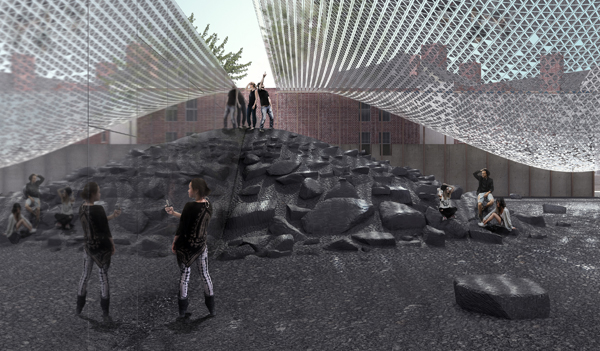
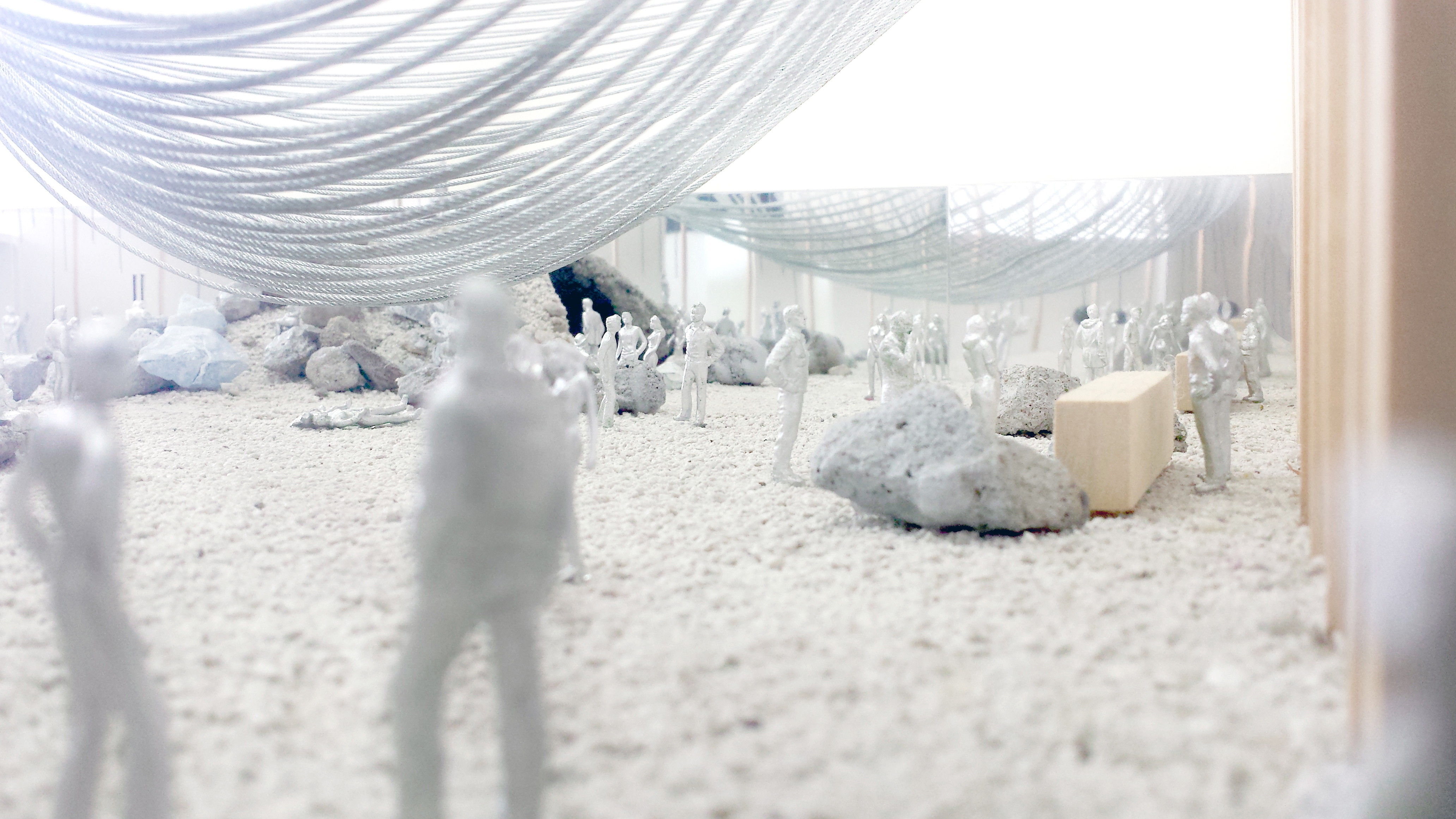 Mirror Mirror explores the institutional definition of MoMA PS1 through the triangular figure of its courtyard, proposing the mutual reflection of this space and the city through a billowing roof surface and the redefinition of its perimeter wall as an urban mirror. The edges of the triangular courtyard are lifted to make its space visible as an urban figure, then used as the frame from which a shimmering surface of mirror tiles is draped. The tile pattern ranges from fully mirrored at its edges to a halo-like void at its lowest point, dissolving this collective accumulation of tiles to create space for a singular moment of contemplation at its center. A gravel mound lifts viewers above ground level for a direct view over the courtyard wall and accommodates tiered seating for events, while the surface of the concrete wall is mirrored to double both mound and roof between courtyard and street. A colonnade of wood beams at the perimeter of the triangle houses a variety of hanging elements for cooling and play, including mist, showers, buoys, and swings. Through a crowdsourced campaign each mirror tile is customized with an inscription of 140 characters, investing participants in the collective form of the billow and creating a memento through 17,000 personal mirrors sent to contributors after the closing of the pavilion. At night, spotlights turn the field of mirrors into a glittering backdrop for the Warm Up party and other MoMA PS1 events.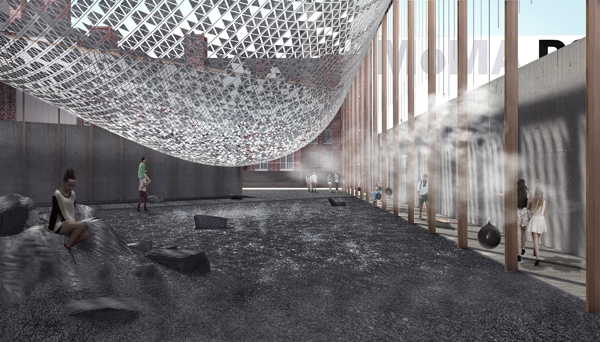
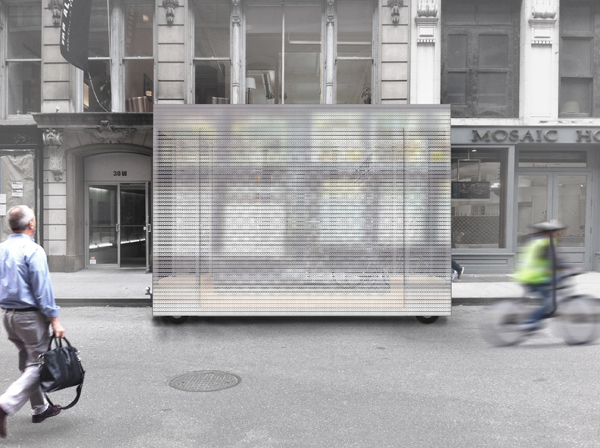
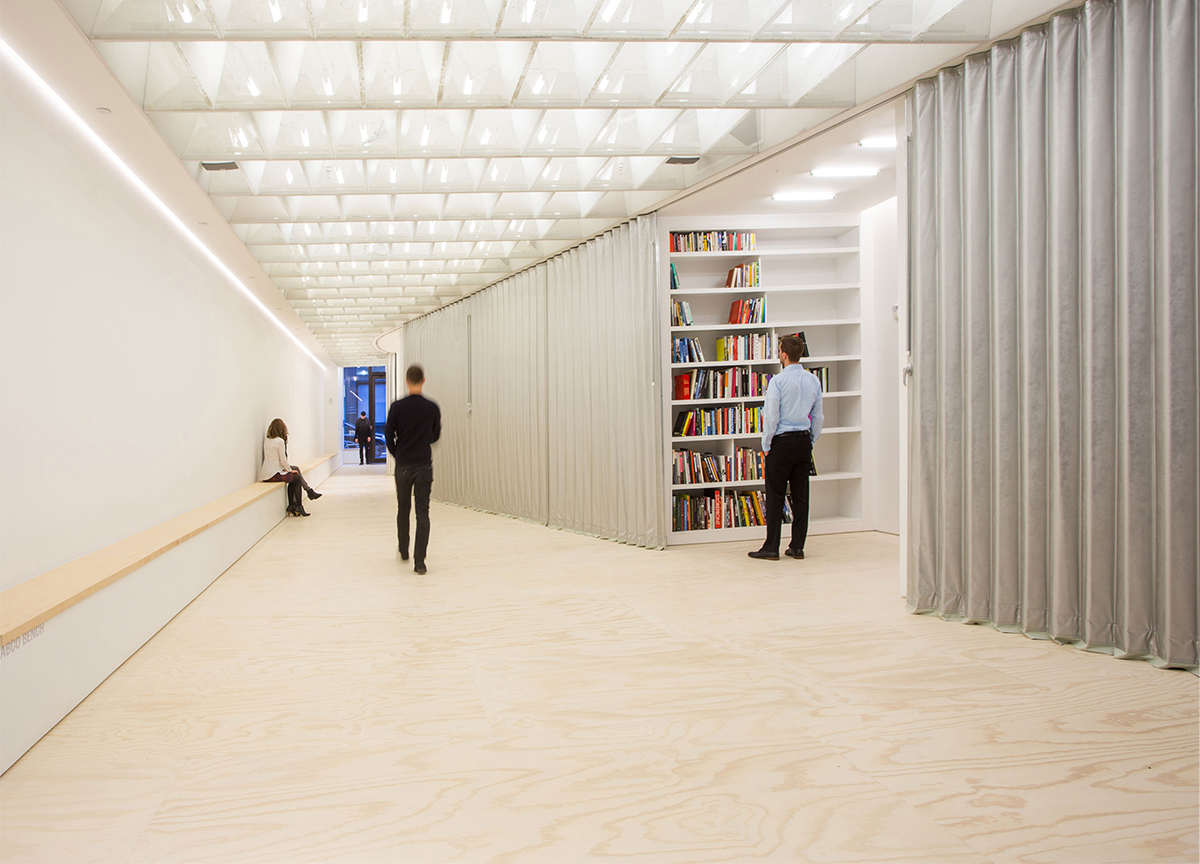
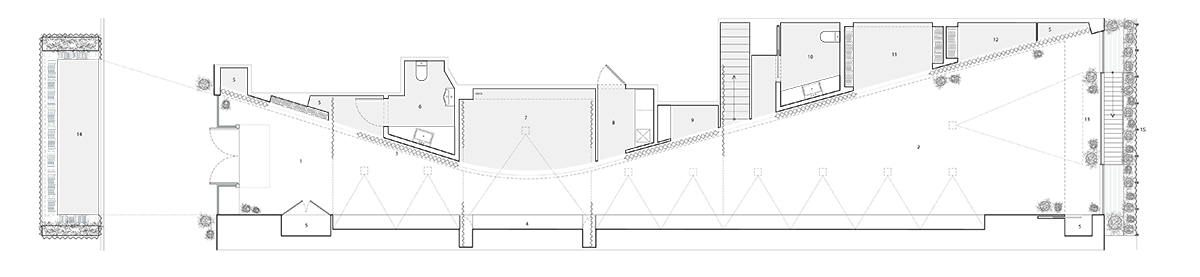
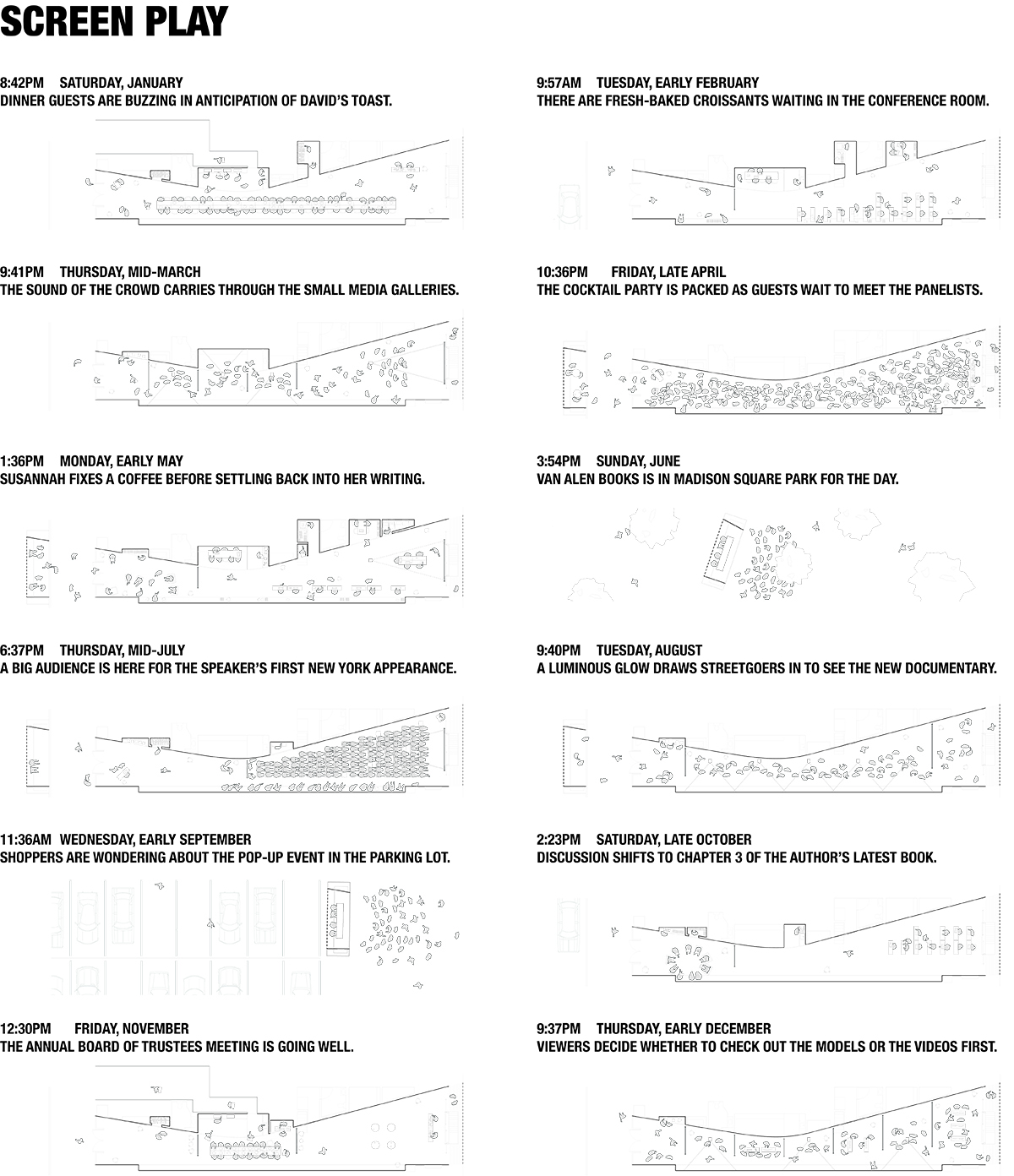
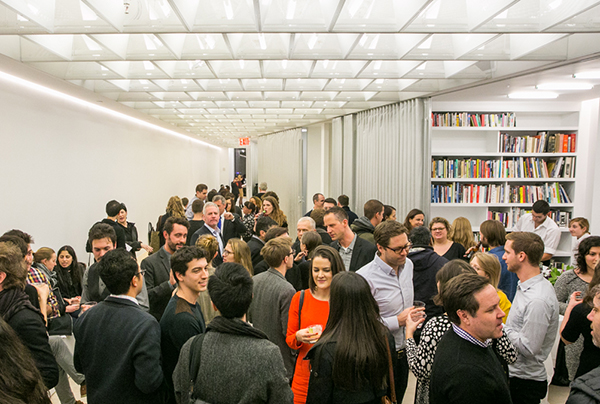
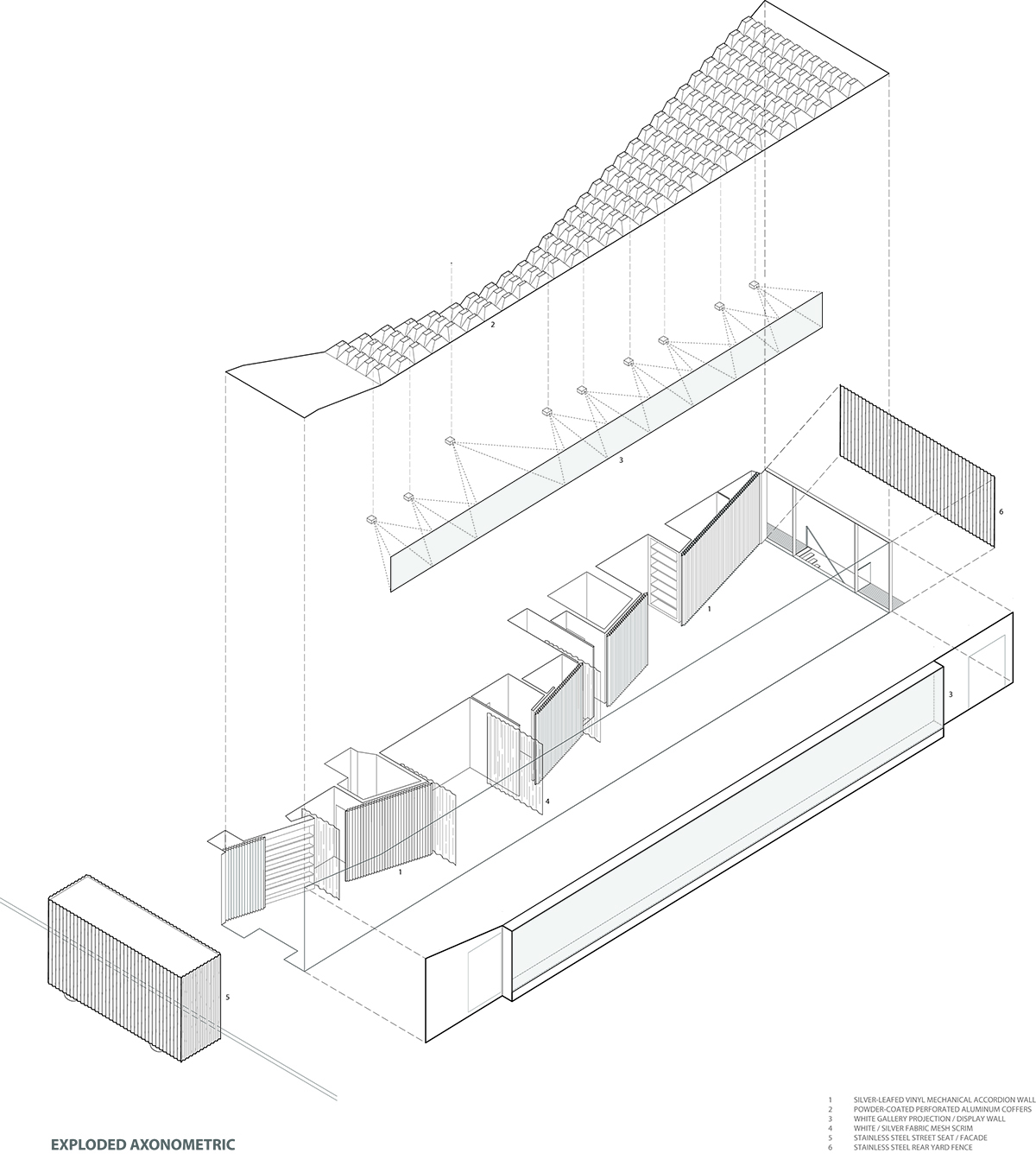
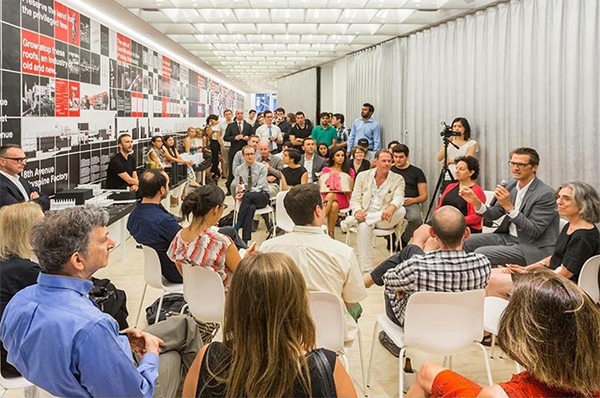
 The complex interaction of these surfaces according to different conditions of use creates subtle, luminous effects of reflection, transparency, and translucency that alternately reveal or obscure the changing presence of these activities within the space of the city. Presented here are a few of the scenarios we imagine for the Van Alen’s future performance as a cultural and curatorial space. Screen Play provides a powerful spatial platform for these scenarios, one that we hope will come to be uniquely identified with the Van Alen and its public mission.